Why Greenhouse Plants Grow More Slowly in Winter

A greenhouse can protect plants from freezing temperatures, capture warmth from the sun, and extend your growing season well beyond what is possible outdoors. But as winter approaches, you may notice something surprising: even when your greenhouse is warm enough, your plants are not growing nearly as fast as they did a few months earlier. Temperature is part of the equation, but it is not the only thing that changes with the seasons.
In winter, plants also have less light available to fuel growth. Days are shorter, the sun sits lower in the sky, and cloudy weather can reduce available light even further. Inside a greenhouse, plants, structural components, insulation, and other objects can create additional shade. For many plants, especially during the darkest part of winter, light can become just as important as temperature in determining how quickly they grow.
Plants Need More Than Warmth to Grow
You can see the effects of changing daylight all around you in fall. As the days shorten, deciduous trees begin preparing for winter. As chlorophyll production slows and the green begins to disappear, the yellows, oranges, and reds we associate with fall emerge before the leaves eventually drop. Inside the greenhouse, your vegetables may not put on the same colorful display, but they are responding to shorter days too.

Plants use light during photosynthesis to produce the sugars they need for growth. With fewer hours of sunlight and generally lower light intensity in winter, that process slows.
This is why simply heating a greenhouse to warmer temperatures does not automatically produce summertime growth in December. Think about the difference between a sunny June day and a December day. Summer gives plants many hours of strong sunlight, roughly 14–15 hours depending on your location. During winter, the days are shorter, typically 9–10 hours in most parts of the US. A plant may be warm enough to keep growing but still slow down because it is receiving less light each day.
Shorter Days Change the Winter Garden
Day length begins decreasing well before winter arrives. By late fall, that seasonal change is already affecting what happens inside the greenhouse.
As daylight continues to decline toward the winter solstice, plants may:
- Produce new leaves more slowly
- Take longer to reach harvest size
- Stretch toward available light
- Use water more slowly
- Produce fewer flowers or fruit
- Pause active growth almost entirely
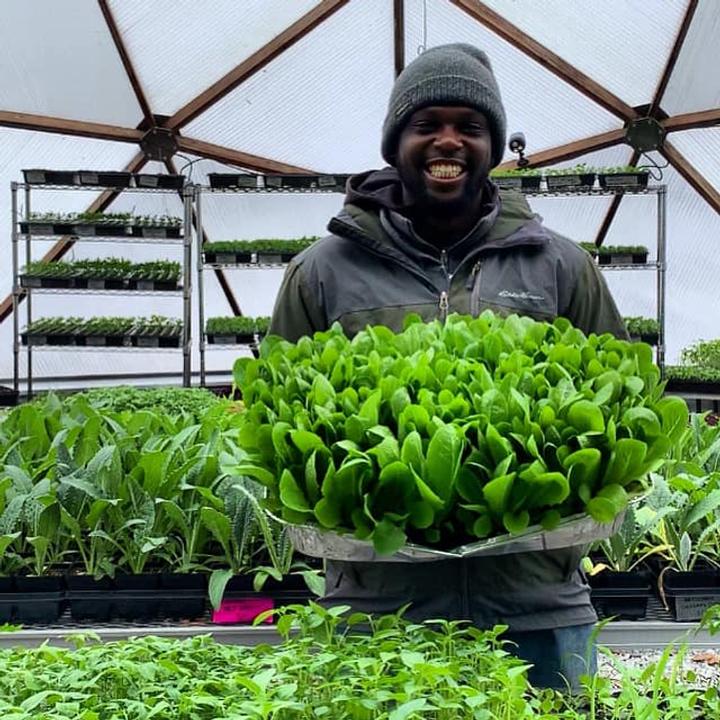
Not every plant responds the same way. Some cold-hardy greens are well suited to cool temperatures and limited winter light. Lettuce, spinach, kale, Asian greens, and other cool-season crops are common choices for protected winter growing because they do not require the same conditions as tomatoes, cucumbers, peppers, or many tropical plants.
One of the best strategies is to establish winter crops before the darkest days arrive. Plants that reach a useful size while fall light is still relatively abundant can continue growing more slowly or provide harvests through periods when new growth is limited.
Temperature Still Matters
Limited light does not negate temperature considerations. Plants still have temperature ranges where they perform best, and excessive cold can slow growth, damage sensitive crops, or kill them. Warm-season vegetables and tropical plants generally need much warmer conditions than hardy greens and root crops.
The important point is that light and temperature work together. If a crop is cold, warming the greenhouse may help. If the greenhouse is already warm enough but the crop does not have sufficient light, adding more heat may have little effect on growth. You may simply end up paying to maintain a warmer greenhouse while the plants continue waiting for more sunlight. Plants can surprise you, though. I have harvested cherry tomatoes in December from a plant on my kitchen counter under a skylight.
If reliable winter harvests are your goal, plant selection becomes especially important. Growing cool-season vegetables that tolerate lower temperatures and less winter light can reduce the amount of climate control required compared with trying to reproduce summer conditions all year.

Some Plants Need Much More Winter Light Than Others
A greenhouse full of spinach has very different winter requirements from a greenhouse full of bananas, citrus, or fruiting tomatoes. Leafy greens and many cold-tolerant crops are particularly useful during winter because you are harvesting vegetative growth rather than asking the plant to maintain vigorous growth, flower, pollinate, set fruit, and ripen.
Warm-season fruiting plants generally place much greater demands on the growing environment. Tropical and subtropical plants present another situation altogether. Some growers maintain collections of citrus, bananas, dragon fruit, coffee, or other unusual plants through winter. Their goals may range from simply keeping the plants healthy until spring to maintaining active growth and fruit production.
Those goals determine how much intervention makes sense. A tropical tree that is being overwintered does not necessarily need to perform as though it were July. A grower who wants active winter production may choose to provide considerably more heat and light.
Do You Need Grow Lights in a Greenhouse?
Not necessarily. Many greenhouse gardeners grow cool-season vegetables through winter without supplemental lighting. Grow lights become more useful when natural winter light cannot support your gardening goals.

Bill George in Idaho grows tropical plants in his 26’ dome
That may include:
- Growing tropical or other plants with high light requirements
- Maintaining fruiting crops through the darkest months
- Starting seedlings when natural daylight is limited
- Gardening at higher latitudes with especially short winter days
- Trying to maintain faster or more consistent winter production
Supplemental lighting can add either more light intensity, more hours of usable light, or both, depending on how the system is designed and operated.
As we just mentioned, different plants have different light requirements, so there is not one lighting schedule or fixture that is right for every winter greenhouse. Before adding lights, decide what you are asking the plant to do.
I’m still an outdoor seasonal gardener. I often start my warm-season plants, such as peppers, tomatoes, certain ornamentals, and even eggplant, in February according to the Almanac, and keep my productive peppers going for at least 2–3 years. How do I do it? I have a cabinet that is now lit with very simple LED strips. Previously, I used fluorescent lighting with spectrums specifically designed for plant growth. I used timers to reproduce vegetative light conditions; the new LEDs come with presets, and I even add a heating mat when the house tends to be a bit cold or drafty.
How Growing Dome Owners Use Supplemental Lighting
Some Growing Dome Owners choose to supplement natural winter light based on what they are growing, where they live, and how much sunlight reaches the Dome during the shorter months.
Kehrin Kercher Thomas uses outdoor LED grow-light strings to extend the length of the day for plants including lettuce, petunias, cauliflower, and peppers. By October, her Dome receives much less natural light by early afternoon, so she runs the lights in both the morning and afternoon. After initially hanging them from the Dome struts, she found that placing supports in the center of the beds brought the lights closer to where the plants needed them.
The Alberta Adventurer Family takes a more extensive approach in their Growing Domes in Alberta, where winter days can be very short. As they prepared for winter in September 2024, they installed LED lighting over the growing beds and additional grow lights over plants including citrus. Their goal was to extend the usable day as natural light faded earlier in the afternoon and support plants that need longer periods of light to flower and fruit. Their lighting setup is part of a broader winter-growing system that also includes solar-charged batteries, fans, irrigation, and supplemental heat. In the video below, they walk through how the lights are arranged and how they planned to adjust their use as winter progressed.
Make the Most of the Winter Light You Already Have
Even if you never install a grow light, you can make better use of the natural light entering your greenhouse.
Watch What Is Creating Shade
A tomato vine that provided welcome shade in July can become a liability in November. As the sun moves lower in the sky, tall plants may cast much longer shadows across the greenhouse. Pruning or removing declining summer crops can open valuable sunlight to winter vegetables below.
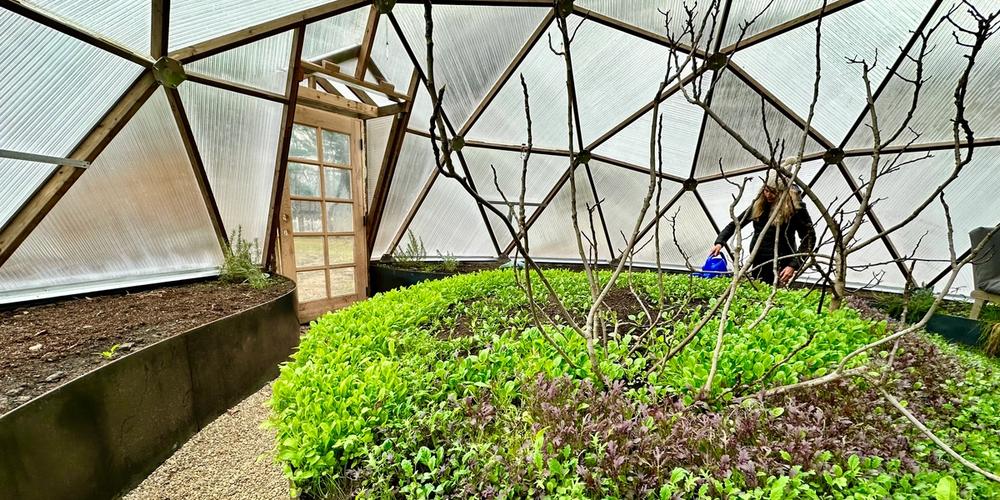
Trees and perennial plants inside the greenhouse deserve the same consideration. Their placement and pruning can influence how much light reaches surrounding beds. Deciduous trees or plants, like figs and grapes, are desirable because they provide the much-needed shade in the summer, yet lose their leaves in the fall to naturally allow the light through to the understory.

Look Outside the Greenhouse Too
Trees, buildings, terrain, fences, and other structures can block winter sun even if they barely affect the greenhouse during summer.
The sun follows a much lower path across the southern sky during winter in the Northern Hemisphere. A site that receives excellent summer sun may experience substantially more shade in December. This is one reason solar exposure is worth considering when choosing a greenhouse location.
Keep Light Transmission in Mind
Anything between the sun and your plants reduces at least some of the light reaching them. Dust, dirt, snow, shade cloth, interior row covers, large plants, shelving, and greenhouse components can all affect available light. Keeping greenhouse panels clean is a surprisingly easy way to help make the most of the available winter light. That does not mean every obstruction needs to disappear. Some serve important purposes, including insulation and frost protection.

During the darkest part of winter, however, it is worth asking whether each layer is providing more benefit than the light it blocks.
Winter Is a Different Growing Season
A winter greenhouse does not need to look or behave like a greenhouse in July, although some growers use supplemental heat and lighting to maintain more active growth through winter. Growth will often be slower. Harvest intervals may be longer. Some plants will rest. Others will continue producing at a reduced pace. Crops chosen specifically for winter conditions may perform much better than plants that are simply left over from summer.
That seasonal change can work in your favor. Instead of using energy to force every plant to grow at its summer rate, you can establish hardy crops before daylight becomes scarce, harvest them gradually through winter, and reserve supplemental heat or lighting for plants that truly need it.
Then the pattern begins to reverse. After the winter solstice, daylight gradually increases. Eventually there comes a point when plants that seemed almost suspended begin producing noticeable new growth again. By late winter and early spring, increasing light can transform the greenhouse surprisingly quickly, even before outdoor temperatures have caught up.
How a Growing Dome Supports Winter Growing
Growing Domes are designed for four-season greenhouse use, combining solar gain with an insulated foundation wall, reflective north-wall insulation, an above-ground pond for thermal mass, automatic ventilation, and internal air circulation. These systems can help moderate the greenhouse environment, but the plants inside are still responding to the seasons outside. A greenhouse cannot make a December day longer.
That is why successful winter growing depends on more than keeping cold air away from your plants. Crop selection, planting time, available sunlight, greenhouse microclimates, and your goals for winter production all matter.
For some gardeners, winter may mean beds filled with lettuce, spinach, root crops, and herbs. Others may be protecting perennial plants until spring. And some Growing Dome Owners choose to add heat and supplemental lighting so they can maintain tropical plants or other crops with greater winter demands.

There is no single definition of a successful winter greenhouse. The better question is what you want to grow, where you live, and how actively you expect those plants to grow during the shortest days of the year.
From there, you can build a winter-growing strategy around the light you have and decide whether you need to add anything more.
Planning for Winter Growing?
Learn how sunlight, thermal mass, insulation, crop selection, and supplemental heat work together in a Growing Dome during the colder months. Explore Winter Greenhouse Growing

If you’re planning a greenhouse for winter growing, our team can help you think through your climate, growing goals, and how you hope to use the space.

Seasonal Growing Tips & Greenhouse Advice
Monthly stories from our greenhouses, Growing Dome spotlights, and other gardening content


Share This

After 25 years in Pagosa Springs, I’m very familiar with Growing Spaces and have been interested in their geodesic dome design since moving to the area. I now reside on the other side of the Divide in Colorado’s San Luis Valley, where I continue to experiment with high-altitude, seasonal gardening. I got my start gardening in the challenging conditions Pagosa has to offer. In a previous role with the Southwest Land Alliance, I also contributed my graphic design services to the Geothermal Greenhouse Project along the San Juan River, which features three 42' Growing Domes. When I’m not working, I’m usually camping and exploring with my husband and our dogs, Juniper and Pigeon, or tinkering with another creative pursuit, whether that’s knitting, picking the mandolin, or trying something new. As part of the Growing Spaces marketing team, I enjoy sharing the knowledge, experiences, and stories of the Growing Spaces community and helping connect more people with resources for successful greenhouse gardening.
View full bioDownloads
Featured Categories
Seasonal Growing Tips & Greenhouse Advice
Monthly stories from our greenhouses, Growing Dome spotlights, and other gardening content
Featured Stories


Preparing your Greenhouse for Winter


Featured Products


Sign up for The Happy Grower Newsletter
Once a month: stories from our gardens, Growing Dome spotlights, and what's in season in Pagosa Springs.