Greenhouse Snow Load: How to Choose a Greenhouse for Heavy Snow

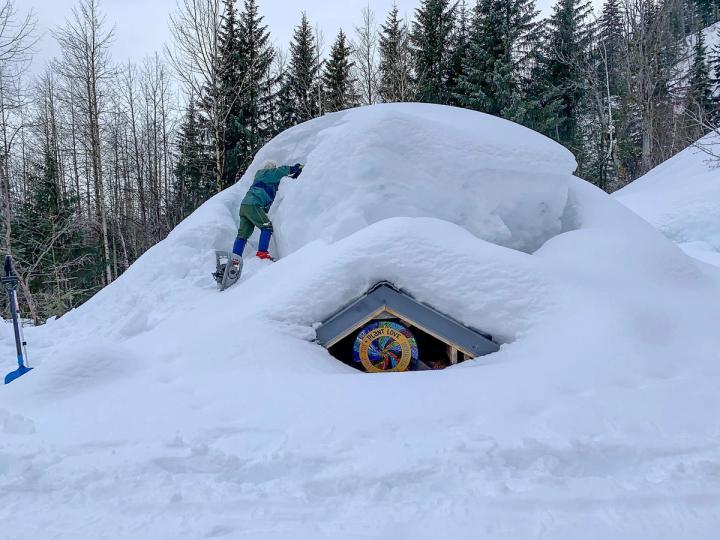
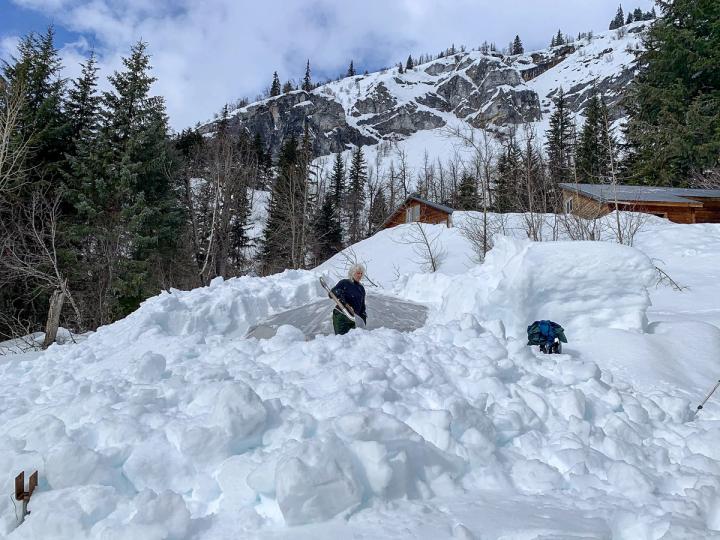
If you are shopping for a greenhouse somewhere that gets real snow, snow load is probably going to come up sooner or later. We know it certainly does here. Growing Spaces is based in Pagosa Springs, Colorado, at nearly 7,500 feet in the San Juan Mountains, so snow, wind and challenging mountain weather are part of everyday life for us and for many of the customers we work with.

15’ and 18’ Demonstration Growing Domes in Pagosa Springs, CO
The good news is that you do not need to become a structural engineer to understand the basics. A few numbers and questions can tell you a lot about whether a greenhouse is a good fit for your site. Once you know where you are building and what you are looking for, our team can help with the rest.
What Is a Greenhouse Snow Load Rating?
A greenhouse snow-load rating tells you how much weight from snow a structure is designed to support, usually expressed in pounds per square foot, or psf. The key word is weight. A foot of light, dry snow does not weigh the same as a foot of wet, heavy snow, which is why a claim like “handles two feet of snow” does not tell you nearly as much as an actual structural rating.
When you are comparing greenhouses, look for a manufacturer that publishes a snow-load value and can explain what it applies to. It is also helpful to know whether that rating changes by greenhouse size or configuration. You do not need to memorize the numbers; you just want enough information to make a meaningful comparison.
What Snow Load Should a Greenhouse Have?
There is not one snow-load rating that is right for every greenhouse or every location. What matters is whether the greenhouse you are considering is appropriate for the conditions where it will actually be built. A greenhouse in a mild climate that occasionally gets snow may have very different needs from one being installed in a mountain community.
One of the easiest places to start is simply with your location. Your local building department can usually tell you what snow-load requirements apply in your area, and you do not need to have every detail figured out before talking with us. Knowing where you plan to build gives our team a good starting point for helping you narrow down the right Growing Dome options.
Not sure where to start?
Tell us where you are planning to build, and we can help you understand which Growing Dome options may be worth considering.
Ground Snow Load vs. Greenhouse Snow Load
This is one of the most common points of confusion when people start researching greenhouse snow loads. You may call your local building department and be given a ground snow load, then look at a greenhouse specification sheet and see a different design snow load. That is normal because the two numbers describe different things.
Ground snow load, often shown as Pg, is the estimated weight of snow on the ground for a particular location. Engineers use that as a starting point when determining the snow loads a structure needs to be designed for. The final design load can account for things like the shape and slope of the structure, exposure to wind, thermal conditions, drifting and other factors defined by the applicable building standard. ASCE 7, the structural loading standard commonly referenced by U.S. building codes, treats ground snow load and roof/design snow load as related but separate values.
In plain English: the number your county gives you is not necessarily the number you should expect to see on a greenhouse specification sheet. One describes the snow conditions at your location; the other describes the load used to design the structure. You do not need to calculate the conversion yourself. Knowing your location and local requirements gives our team and, when needed, an engineer the information needed to help determine which Growing Dome configuration makes sense for your site.

What Makes a Greenhouse Better for Heavy Snow?
Snow load is important, but it is only one part of the picture. Greenhouse size, shape, foundation and available engineering all work together. Rather than looking for the biggest number you can find, it is more useful to look for a structure that makes sense for your location and the way you want to use it.
A greenhouse’s shape can make a big difference. A geodesic dome uses interconnected triangles to distribute loads through the frame, while the rounded exterior encourages snow to shed rather than creating one large flat surface. Snow can still accumulate depending on the storm and weather conditions, but the dome shape is one of the reasons Growing Domes are well suited to challenging climates.
The foundation matters too, but this does not have to make the process complicated. Different sites may call for different foundation approaches depending on things like slope, soil, drainage, frost, wind and snow. Our team can help you think through the options, and you can learn more about them in our greenhouse foundation guide.
How Do Growing Domes Compare for Snow Load?
Because Growing Domes come in several sizes, we do not use one blanket snow-load rating for the entire product line. Each standard size has its own published flat-roof design snow value:
| Growing Dome Size | Standard Kit Snow Load* |
|---|---|
| 15' | 85 psf |
| 18' | 75 psf |
| 22' | 75 psf |
| 26' | 65 psf |
| 33' | 40 psf |
| 42' | 30psf |
*Published values are flat-roof design snow values, Pf, for the standard kit configuration. Project requirements depend on the site, foundation, applicable engineering and local requirements.
This is why we usually start with where you are building, not just which dome size you like best. If snow load is an important consideration for your property, we can look at the requirements for your site alongside the Growing Dome size you are considering. Additional engineering modifications may also be available for projects that need more than the standard configuration.
Comparing greenhouse options for a snowy climate? Explore Growing Dome sizes and features to see which one feels like the best fit for your space and growing goals.
15' Growing Dome Small Greenhouse Kit

18' Growing Dome Greenhouse Kit

22' Growing Dome Greenhouse Kit

26' Growing Dome Greenhouse Kit


Is a Higher Snow-Load Rating Always Better?
Not necessarily. A higher structural capacity can be helpful in a snowy climate, but the biggest number does not automatically make one greenhouse the best choice. The better question is whether the greenhouse is a good fit for your site, your climate and the way you want to use it.
Once snow load is accounted for, you can get back to the fun parts of choosing a greenhouse. Snow load is an important filter, but it does not need to take over the entire buying decision.
A Few Things Worth Checking
You do not need a long technical checklist to compare greenhouses for snow. A few simple questions can tell you most of what you need to know: Does the manufacturer publish a snow-load rating? Does it change by greenhouse size? Are additional engineering options available for higher-snow areas? And can the manufacturer help you understand which configuration makes sense for your site?
If you can get clear answers to those questions, you are already in a good place. “Heavy duty” is not much of a specification, but a manufacturer should be able to explain the numbers in a way that makes sense.
Do You Need to Remove Snow From a Greenhouse?

Even with a greenhouse designed for snowy conditions, it is always a good idea to pay attention during unusual weather and follow the manufacturer’s recommendations. Dry powder can behave very differently from wet spring snow, and wind, temperature and sun exposure can all change how snow accumulates.
With a Growing Dome, the rounded, sloping exterior encourages snow to shed. That does not mean every storm will leave the greenhouse completely clear, but it does mean the shape works with the snow rather than giving it one large flat surface to sit on. Like any structure, knowing your greenhouse and keeping an eye on unusual conditions goes a long way.
Start With Where You Are Building
If you live in a snowy climate, choosing a greenhouse does not have to be complicated. Start with where you are building, understand the basic snow-load rating for the greenhouse you are considering and ask questions when something is unclear. From there, our team can help you look at Growing Dome sizes, foundations and engineering options that make sense for your site. Snow is simply one part of choosing the right greenhouse, not a reason to make the process harder than it needs to be.

Planning a Growing Dome for a snowy climate?
Tell us where you are building and what you want from your greenhouse, and we will help you narrow down the next steps.

Seasonal Growing Tips & Greenhouse Advice
Monthly stories from our greenhouses, Growing Dome spotlights, and other gardening content


Share This

I graduated from Fort Lewis College in 2018 with a BA in Environmental Studies. I began working for Growing Spaces in August of 2020 and have had the pleasure of working in many departments. I enjoy being a part of this amazing team that helps others achieve their dream gardens! In my spare time, I enjoy working in the 15’ Growing Dome that my husband and I share.
View full bioDownloads
Featured Categories
Seasonal Growing Tips & Greenhouse Advice
Monthly stories from our greenhouses, Growing Dome spotlights, and other gardening content
Featured Content


How the Growzebo™ Came to Life


Featured Products


Sign up for The Happy Grower Newsletter
Once a month: stories from our gardens, Growing Dome spotlights, and what's in season in Pagosa Springs.