Too Much to Eat? How to Preserve Your Garden Harvest

A productive garden has a way of going from Almost ready… to What are we going to do with all of this? seemingly overnight.

At our Fall Fest Open House this September, the refreshment table was a pretty good snapshot of what that looks like inside the Growing Domes this time of year. We served several varieties of cucumbers, including Armenian cucumbers and Mexican gherkins. There were black cherry tomatoes, two types of figs, and fresh herbs like chives for yogurt dips. We even put out some of our green chile fig jam, which was a hit. One guest liked it enough that I sent her to our website for the recipe.
Elsewhere in the Domes, we have been harvesting okra, onions, and Japanese eggplant. Some corn was ready too, although ours was more ornamental than something we wanted to eat, so that harvest was destined for drying instead.
Some of what comes out of the garden gets eaten almost immediately. Other crops seem to pile up faster than we can use them. That is when preserving becomes another part of the gardening process.
The best way to preserve a harvest depends on what you have, how you like to eat it, and how much effort you want to put into saving it. You do not have to can everything. You do not even have to preserve every ingredient in the same form you harvested it. Sometimes the easiest answer is a refrigerator pickle, a freezer container full of cooked greens, or a cool place to store an onion until dinner.
How Do You Choose a Food Preservation Method?
Before deciding what to do with an overflowing harvest basket, think about how you are most likely to use that food later.
If it will end up in soups, sauces, casseroles, or cooked dishes, freezing is often the easiest option. If you want something crisp and tangy to eat alongside a meal or showcase on a charcuterie board, I start thinking about pickling or fermentation. Herbs, fruits, and some vegetables can be dried. Other crops, such as onions and winter squash, may need little more than proper curing and storage.
For foods you want to keep shelf-stable for a longer period, canning may make sense, but this is where following a current, tested recipe becomes especially important.
Here are some of the choices we have been making with our own late-summer harvest coming out of the Growing Domes right now.

When the fig trees in our Growing Domes start producing, they don’t give us the courtesy of ripening one fig at a time.
Figs: Eat Them, Dry Them, Freeze Them, or Make Jam
Fresh figs are delicate and do not keep very long once picked, which makes them one of the first crops I think about preserving. Fortunately, they also give you plenty of options.
We have frozen figs, dried them, and turned them into jam. I’d like to experiment this year with an Indian chutney that will be made from dried figs when I have time. Freezing is probably the easiest choice when you are short on time. Dried figs take up very little storage space and make a sweet snack, while canning allows you to turn a larger harvest into jams or preserves.
Our green chile fig jam made an appearance at Fall Fest this year. It is sweet, a little savory, and a good reminder that preserving a crop does not have to mean saving it in the most obvious way. This is also a good example of why I would not choose one “best” way to preserve figs. It depends on what you want to eat later.
Explore: Green Chile Fig Jam | Dehydrating Food | Home Canning
Okra: Eat It Fresh Until You Can’t Keep Up
We have been harvesting a lot of okra lately, and I am not complaining. Okra has been making its way into all kinds of meals. Matt, our Production Manager, mentioned adding some to dirty rice. I have chopped it fresh over a sushi bowl and added it to gumbo. I also recently blanched some and tossed it with soy sauce and grated ginger, which was simple and packed with flavor.

But okra is one of those plants that can start producing faster than you know what to do with it. Young pods are best while they are still tender, so once they start piling up, I turn to quick refrigerator pickles.
That has probably been my favorite preservation method for okra this year because it fits the amount we’re harvesting. I do not need a huge batch. I can wait until I have enough tender pods for a jar, make a quick pickle, and keep it in the refrigerator.
Okra can also be frozen, dried, pressure canned, or pickled using a tested canning recipe. The important thing is to harvest it while the pods are still tender. Once an okra pod becomes large and woody, no preservation method is going to turn it back into tender okra.
Keep Reading: Growing Okra in a Greenhouse | Freezing Food
Cucumbers: When Fresh Turns Into Pickles

Harvesting cucamelons
We had several kinds of cucumbers on the Fall Fest table. Armenian cucumbers are always popular, and the tiny Mexican gherkins, or cucamelons, tend to spark a conversation because they look like miniature watermelons.
When cucumbers are coming in heavily, pickling is an easy answer. A refrigerator pickle is my first choice when I have a smaller harvest and want something we will eat relatively soon. Fermentation gives you a completely different pickle, with acidity produced during the fermentation process rather than added directly through vinegar. And if you want jars that can be stored longer, a tested canning recipe gives you another option.
Of course, sometimes the right strategy is to put a bowl of cucumbers on a table with dip and let a crowd take care of them for you, hand out bags of them to the people most interested, or donate them to a food pantry.
Check Out: Pickling and Fermentation | Growing Cucumbers

Tomatoes: Preserve Them for January
Black cherry tomatoes were another fresh favorite at our Fall Fest, and sometimes the simplest way to deal with an abundant tomato harvest is to keep eating them straight from the garden. Eventually, though, the plants may win.
I have made tomato jam before, which is slightly sweet and works almost like a ketchup or condiment, but freezing is usually the easiest answer when tomatoes start accumulating.
Tomatoes can be frozen, dried, or canned, and the best choice depends largely on how you intend to use them. Freezing changes the texture, but that matters very little if those tomatoes are eventually headed for a sauce, soup, or stew. Drying concentrates their flavor and makes them useful in cooked dishes and other recipes. Canning opens up another world of sauces, whole or crushed tomatoes, and other pantry staples when you follow a tested recipe.
Instead of asking what the best way to preserve a tomato is, I think about what I would like to pull out of the pantry or freezer in January.
Herbs and Greens: Preserve the Meal, Not Just the Ingredient
We harvested chives for yogurt dip at Fall Fest, and herbs are easy candidates for drying or freezing when you have more than you can use fresh. But this is also where I stop thinking about preservation strictly as saving a raw ingredient.

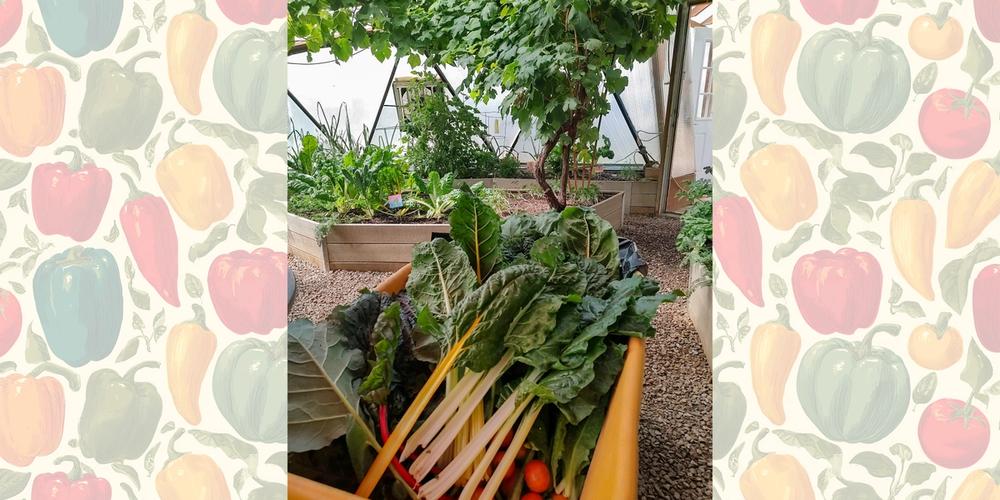
I love picking chard or collards from the Domes and cooking them first. I might make creamed greens, Asian-style greens, or regular old collards, then divide the finished dish into smaller containers and freeze them for later meals.
Recently I pulled out a container of creamed chard with onions and mushrooms and used it in a breakfast casserole with leftover chorizo and bread heels. Think savory bread pudding made partly from food I had already saved from other meals. Then portions of the baked breakfast casserole were individually wrapped in foil and popped back in the freezer for an easy breakfast option.
That is one of my favorite preservation shortcuts. You do not always have to freeze a pile of chard because you have too much chard. Sometimes it makes more sense to cook something you know you will want to eat and preserve the finished dish instead.
You can also turn some fresh greens and herbs into pesto or chimichurri and freeze the finished sauce for another meal. Hardier greens such as collards and Swiss chard can also be blanched and frozen on their own for later use.
Related: Nasturtium Pesto | Growing Swiss Chard | Dome Grown Herbs & Recipes
Onions: Sometimes the Refrigerator Is Good Enough
Red and yellow onions have also been coming out of the Domes recently.
If you have a larger onion harvest that you want to keep for longer, cure the bulbs before storing them. Once the tops have fallen over and the onions are harvested, spread them out in a warm, dry, well-ventilated place out of direct sun. Let them cure until the outer skins are papery and the necks are completely dry and tight, usually a couple of weeks or more depending on conditions. Then move them to a cool, dry place with good airflow for storage.
Our gardeners have been putting some of ours in the refrigerator, which is how I have been bringing them home. Mine have kept well for more than a month so far, even when I am just cutting off a piece for dinner and returning the rest to a container or bag.
Learn More: Cold Storage and the Root Cellar
Eggplant and Zucchini: Make It a Meal

Eggplant and zucchini both lend themselves well to cooked dishes, which makes them good candidates for preserving as part of a meal instead of trying to save the raw ingredient on its own.
One of my favorite ways to use eggplant and zucchini is in my Southwest ratatouille. If I have enough produce to make a large batch, I can cook the dish, portion what we are not eating immediately, and freeze the rest for later.
Zucchini also has a way of arriving in abundance. When you have reached the point where you are tired of finding new ways to eat it fresh, turning some into zucchini bread or muffins and freezing them for later can be a nice way to save the harvest for a time when you are actually excited to taste it again.
Get the Recipe: Southwest Ratatouille
Ornamentals Worth Saving
Not everything coming out of the Growing Domes this time of year is headed for the pantry or freezer. Some of the corn harvested recently was more ornamental than edible, so we dried it instead, and it made an appearance at Fall Fest with our scarecrows.

We also held a bouquet competition at Fall Fest, which got me thinking again about preserving flowers. Last year we experimented with drying some of our blooms for later arrangements, with varying levels of success. Some dried beautifully. Others were less enthusiastic about the idea.
Food preservation gets most of the attention this time of year, but drying flowers, seed heads, ornamental corn, and gourds can carry another part of the garden through the seasons. And if you’re saving mature seeds for next year’s garden, that’s another kind of harvest worth holding onto.
Planning Next Year’s Garden: The Art of Seed Saving | Dome Greenhouse Planting Guide
Start With What Your Garden Gives You
Food preservation can sound like a project that requires special equipment, a weekend in the kitchen, and dozens of jars lined up on the counter. Sometimes it does.
Other times it means freezing a handful of tomatoes before they go soft, curing a batch of onions, drying a tray of herbs, or making today's okra into a refrigerator pickle.
Start with what your garden is giving you and how you actually eat. Then choose the preservation method that makes that harvest useful later.
Our Preserving the Harvest series covers cold storage, freezing, dehydrating, pickling and fermentation, home canning, and preserving foods with sugar, salt, and oil.

Seasonal Growing Tips & Greenhouse Advice
Monthly stories from our greenhouses, Growing Dome spotlights, and other gardening content


Share This

Having lived in Pagosa since 2001, I’m very familiar with Growing Spaces and have been interested in their geodesic dome design since we moved here. I got my start in gardening in the challenging conditions that Pagosa has to offer. In a previous role with the Southwest Land Alliance, I was able to contribute my graphic design services to the Geothermal Greenhouse Project, which features these unique domes. When I’m not working, I’m camping and exploring with my husband and dog, or I may be found tinkering with new creative projects like knitting or picking the mandolin. I’ve worn a lot of hats over the years and am excited now, in the spring of 2024, to be joining the marketing team and supporting the Growing Spaces community.
View full bioDownloads
Featured Categories
Seasonal Growing Tips & Greenhouse Advice
Monthly stories from our greenhouses, Growing Dome spotlights, and other gardening content
Featured Stories


How To Grow Fig Trees In Your Greenhouse


Featured Products


Sign up for The Happy Grower Newsletter
Once a month: stories from our gardens, Growing Dome spotlights, and what's in season in Pagosa Springs.