Fixin’ to Grow Okra in a Greenhouse?

Okra may be closely associated with Southern gardens and fried favorites, but its tender pods can also be grilled, roasted, pickled, or added to soups and stews. This heat-loving plant can be grown anywhere gardeners can give it enough warmth, sunlight, and time to mature. In warm climates, that may mean planting it directly in a sunny outdoor bed. In cooler regions or places with short summers, a greenhouse can help provide the long, consistently warm growing season okra prefers.
In this guide, you’ll learn how to start okra from seed, choose the right planting location, care for the plants, manage common pests, and harvest the pods while they are still tender. We’ll also share what the Growing Spaces garden team has learned from growing several okra varieties inside our Growing Dome greenhouses.

Okra Overview
- Family: Malvaceae
- Scientific Name: Abelmoschus esculentus
- Common Name: Okra, ochro, lady’s finger or ladies’ fingers
- Type: Warm-season vegetable; tender perennial commonly grown as an annual
- Light: Full sun, ideally eight or more hours
- Soil pH: Approximately 6.0–7.0
- Soil: Fertile, well-draining
- Growing Season: Frost-free, warm-season crop
When and Where to Plant Okra

Okra should be planted after the danger of frost has passed and the soil has warmed to at least 65°F. For faster, more even seed germination, wait until the soil reaches about 70°F. Outdoor gardeners may not reach those temperatures until late spring or early summer, depending on their climate.
Gardeners with short growing seasons can start seeds indoors several weeks earlier and transplant the seedlings once nighttime temperatures remain reliably warm. Inside a Growing Dome, use a soil thermometer to check the planting bed itself. The protected environment may allow the soil to reach suitable temperatures earlier in spring and remain warm later into fall than an outdoor garden.
In our Growing Domes, we have planted okra on the west side of our 42-foot dome and the south or southeast sides of our 22-foot and 33-foot domes. These southern, southeastern, and western perimeter beds give the plants abundant light while leaving enough overhead room for varieties that can grow several feet tall. Avoid placing okra where it will shade shorter crops unless you are intentionally using that shade.
Of the varieties we have tried, our favorites are Clemson Spineless and Jing Orange. Both are very heat-tolerant and heavy producers. We have always started them in trays before transplanting them into the raised garden beds in our Growing Dome greenhouses. Some have been started under grow lights while others have been started in trays near the pond.

Starting Okra from Seed
Okra seeds should be planted ½ to 1 inch deep. For faster germination, soak the seeds overnight. Sow seeds more closely than the final spacing, then thin or transplant the strongest seedlings so plants stand approximately 18–24 inches apart to allow for airflow and room to grow.
Okra is often direct-sown, but starting it indoors can give short-season gardeners a helpful head start. If you start okra indoors, use deep cells or individual pots that give its developing taproot room to grow. Transplant seedlings while they are still young, handling the root ball gently and planting them at the same depth they were growing in the container. Plant them where the soil is free of rocks or any other barriers to the roots. Water them thoroughly after planting and avoid disturbing the roots as the plants become established.
For outdoor gardeners, hardening off seedlings first is important. Place them outdoors in a sheltered location for a few hours the first day, then gradually increase their exposure to sunlight, wind, and outdoor temperatures over about a week before transplanting them permanently. Seedlings transplanted into a Growing Dome may not need the same full outdoor hardening process. However, they should still be gradually acclimated when moving from grow lights or another protected indoor location into stronger sunlight and warmer greenhouse conditions.
Under warm growing conditions, many okra varieties begin producing in about 50 to 65 days. You can look at that little seedling and say, “I knew you when you were just knee-high to a grasshopper!” Keep harvesting, and y’all may soon have more okra than you can shake a stick at.
Free Download
How Should You Care for Okra?
Light: Full sun, ideally eight or more hours of direct sunlight per day. Okra may grow with less light, but flowering and pod production can suffer.
Temperature: Okra performs best when conditions remain reliably warm, with daytime temperatures around 80°F or higher. Protect plants when nighttime temperatures approach 50°F, as growth slows in cool conditions and okra will not tolerate frost. A Growing Dome can provide a longer window of warm soil and air temperatures, allowing gardeners in cooler climates to plant earlier, harvest later, and protect their crop from sudden cold weather.
Soil and fertilizing: Okra prefers fertile, well-draining soil. Mix finished compost or properly composted manure into the bed before planting to improve soil structure and provide nutrients. Avoid applying excessive nitrogen, which can encourage leafy growth at the expense of pod production.

Water: Okra requires consistent watering. One inch of water is recommended weekly; however, in hotter temperatures more water may be needed.
Pollination: Okra is self-pollinating, so each flower can produce a pod without another okra plant nearby. Bees and other pollinators may still visit the showy flowers and can help move pollen. In an enclosed greenhouse with little insect activity, gently shaking the plant or brushing the center of an open flower can provide additional assurance, although hand pollination is seldom necessary.
Pruning: Some Southern gardeners may remember a traditional practice known as “whooping” okra, in which lower branches were struck or removed. We prefer the gentler approach: once plants are established and tall enough (approximately 3–4 feet tall), selectively trim lower leaves or branches that impede airflow or access to the pods. Clippers are recommended to protect your skin from the fine spines!
What Are the Best Companion Plants for Okra?
Okra does not require a companion plant to grow well, but thoughtful neighbors can help gardeners use space efficiently, attract beneficial insects, cover bare soil, or make use of the shade created by tall plants. If I had my druthers, these are the companion plants I would pick for my okra.
Herbs that add diversity and culinary value
Basil is a useful companion in the kitchen, and its strong aroma may help discourage pests such as aphids and whiteflies. Its flowers can also attract bees and other beneficial insects. However, basil should be considered one part of a broader pest-management strategy rather than a dependable repellent on its own.
Cilantro is a useful companion plant, especially when allowed to flower. Its blooms can attract hoverflies and other beneficial insects that feed on aphids and may help reduce Colorado potato beetle larvae. Winner, winner, aphid dinner! Plant a few cilantro seeds or plants near your okra, enjoy the plant in foods, salsas, etc., and appreciate the garden help.

Flowers that attract pollinators and beneficial insects
Sunflowers, zinnias, nasturtiums, and calendula are all excellent flowers to grow near okra plants. Their blooms provide pollen and nectar for pollinators and other beneficial insects, adding diversity and color near the okra bed. Nasturtiums are also edible and may serve as a trap crop for certain pests.
Low-growing plants that cover soil
Melons and non-trellised cucumbers can provide living ground cover that shades bare soil, suppresses some weeds, and helps retain soil moisture. Like okra, they appreciate heat and fertile soil, but allow enough room so they do not crowd the base of the okra plants.
Shallow-rooted greens that can use some of okra’s shade
Lettuce and spinach have relatively shallow roots and may benefit from afternoon shade cast by established okra plants. This can be useful during seasonal transitions, although these cool-weather greens may struggle once conditions become hot enough for okra to thrive.
Managing Pests and Diseases
Some of the pests to watch for with okra are aphids (always the aphids!), whiteflies, and Japanese beetles. While we all work in our gardens frequently, checking plants closely can help detect problems early. Don’t forget to look at the undersides of the leaves!

Help control aphids by attracting beneficial insects or spraying them off the plants with a firm stream of water. Insecticidal soap is another option when used according to the label.
Japanese beetles can be hand-picked and removed. Row covers can protect young plants, but they must be secured before beetles arrive and removed when they interfere with plant growth or access.

Yellow sticky traps used to monitor whiteflies in a Growing Dome.
Whiteflies are another common greenhouse pest. They can also be removed by spraying them with water. Yellow sticky traps can be helpful, but we don’t recommend using them if you have “hired” beneficial insects to work in your greenhouse.
The risk of powdery mildew may be reduced by allowing plenty of room between plants for airflow and growing okra in full sun. Remove any affected leaves or plants. At the first signs of powdery mildew, remove badly affected leaves and spray the remaining foliage with a mixture of 1 teaspoon baking soda dissolved in 1 quart of water. Test the solution on a small area first, avoid applying it during the hottest part of the day, and discontinue use if the leaves show signs of damage.
Fusarium wilt can cause yellowing and wilting, sometimes beginning on only one side of the plant. Because several problems can produce similar symptoms, confirm the diagnosis before treating the bed. Remove severely affected plants, avoid moving contaminated soil, and disinfect tools after working around diseased plants. Do not compost infected plant material. Crop rotation may help reduce the buildup of soilborne pathogens, although long-lived pathogens can make rotation difficult in a small greenhouse bed.
Root-Knot Nematodes and Crop Rotation
Okra is susceptible to root-knot nematodes, microscopic roundworms that damage roots and can cause stunting, wilting, or poor production. Because many vegetables can host root-knot nematodes, effective crop rotation depends on identifying the species present and choosing appropriate non-host crops. If you suspect a problem, have the soil or affected roots tested before planning the next crop.
Harvesting and Storing Okra

Many okra varieties begin flowering and producing pods about 50 to 65 days after planting under warm growing conditions. Each flower lasts for a day and then develops into a pod 4 to 5 days later. Harvest pods when they are approximately two to four inches long, still tender, and showing the expected color for the variety (from bright green to reddish-orange for the Jing Orange variety). Gloves are recommended when harvesting okra because the plants and pods may have stiff hairs, called setulose, that can irritate the skin. Pods can become fibrous quickly, so check plants every day or two during peak production. Harvesting pods every day or two will encourage the plant to continue producing, even into the fall depending upon the temperature.
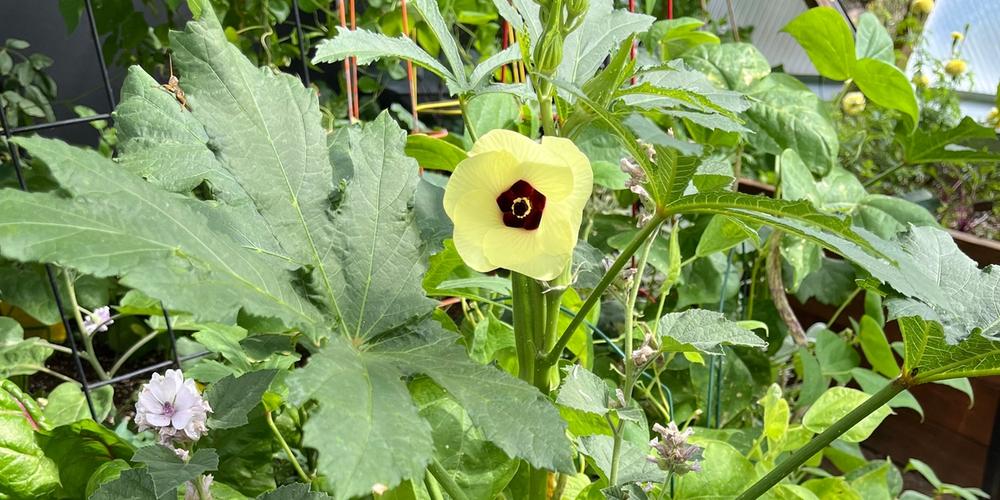
If you have never grown okra before, you may be surprised by their beautiful flowers. Okra belongs to the same family as hibiscus, and the flowers are similar, with cream-colored petals and deep maroon centers. While it is tempting, don't pick the flowers! Each flower will develop into an okra pod. The flowers are edible, but you have to decide between enjoying the flower or waiting for the pod.
If you plan to eat okra soon after harvesting, keep the pods dry and store them in the refrigerator crisper drawer. Use them within a few days, and wait to wash them until just before cooking. Okra can also be pickled or blanched and frozen for longer storage.

From African Crop to Southern Garden Favorite
Okra may be strongly associated with Southern gardens and gumbo, but its roots reach much farther back. The crop is generally believed to have originated in northeastern or eastern Africa, although its exact domestication history remains uncertain. Over centuries, okra spread into the Middle East, the Mediterranean region, and Asia, and it later reached the Americas through the transatlantic slave trade. It was recorded in Brazil by 1658 and had become an established crop in Virginia by the late 1700s. Thomas Jefferson included okra among the plants grown in Virginia in Notes on the State of Virginia, which he began writing in 1781.
Okra’s history in the United States is closely tied to the agricultural knowledge, labor, and food traditions of enslaved Africans and their descendants. Mature okra seeds have uses beyond planting: in India, Turkey, and parts of West Africa, they have traditionally been roasted and ground to make a caffeine-free coffee substitute.
Is Okra Good for You?
Those tender pods offer more than culinary versatility. Okra is low in calories and provides fiber, vitamin C, folate, magnesium, potassium, and vitamin K. Its naturally thick juices, known as mucilage, help give gumbo its characteristic texture, while its mix of soluble and insoluble fiber contributes to a healthy, varied diet. Of course, one of the most popular recipes is fried okra, and that just might offset some of the benefits! Go whole hog and enjoy okra in a variety of recipes, but save the fried version as a treat.
Ready to Make Room for Okra?
A Growing Dome gives heat-loving crops room to flourish, with protection from frost, sudden weather changes, and short outdoor growing seasons. Explore a greenhouse designed to help you grow more of what you love, okra included.

Okra FAQs
How long does okra take to grow?
Many okra varieties begin producing pods about 50 to 65 days after planting when grown in consistently warm conditions. Cooler temperatures, limited sunlight, or transplant stress may delay flowering and harvest.
How often should okra be watered?
Okra generally needs about one inch of water per week, although plants may require more during very hot or dry weather. Water deeply and consistently, but avoid keeping the soil soggy.

Can okra grow in a greenhouse?
Yes. Okra grows especially well in a warm, sunny greenhouse with plenty of vertical space and good airflow. A greenhouse can extend the growing season in cooler climates, but temperatures, watering, and plant spacing still need to be managed carefully.
Why are my okra pods tough?
Okra pods become fibrous quickly when left on the plant too long. Harvest them while they are still young and tender, usually at about two to four inches long, and check the plants every day or two during peak production.
Does okra need to be pollinated by hand?
Usually not. Okra flowers are self-pollinating, although bees and other insects may help move pollen. In a closed greenhouse with little insect activity, gently shaking the plant or brushing the center of an open flower can help.
What pests and diseases affect okra?
Common okra pests include aphids, whiteflies, Japanese beetles, and root-knot nematodes. Powdery mildew and Fusarium wilt can also affect the plants. Check leaves regularly, especially the undersides, and address problems early.

Okra may ask for plenty of heat and sunshine, but once it gets comfortable, it tends to keep right on producing. Harvest the pods while they are young, try them a few different ways in the kitchen, and don’t be surprised if this Southern garden favorite earns a regular place in your growing plans. Before long, you may be fixin’ to grow even more.
Happy gardenin’!

Seasonal Growing Tips & Greenhouse Advice
Monthly stories from our greenhouses, Growing Dome spotlights, and other gardening content


Share This

I joined Growing Spaces in 2021 as a gardener and now work with the Marketing and Social Media department. Formerly I was a kindergarten teacher and then worked as a Gardener and Volunteer Coordinator at Maui Nui Botanical Gardens in Hawai'i. Since moving to Colorado I have worked in the veterinary field and have been involved in therapy dog work visiting hospitals, schools and libraries with a national therapy group. My previous dog and I also worked as a crisis response team helping those affected by crises or disasters and were deployed through Hope Animal-Assisted Crisis Response (Hope AACR). Muppet and Maple are my current therapy dogs and we visit the library and hospital here in Pagosa Springs. Muppet is also a crisis response canine with Hope AACR. Outside of working and volunteering, I love growing native plants, flowers, berries, herbs and veggies at home, photography, hiking, horseback with my husband and hanging out with our dogs.
View full bioDownloads
Featured Categories
Seasonal Growing Tips & Greenhouse Advice
Monthly stories from our greenhouses, Growing Dome spotlights, and other gardening content
Featured Content


Featured Products


Sign up for The Happy Grower Newsletter
Once a month: stories from our gardens, Growing Dome spotlights, and what's in season in Pagosa Springs.