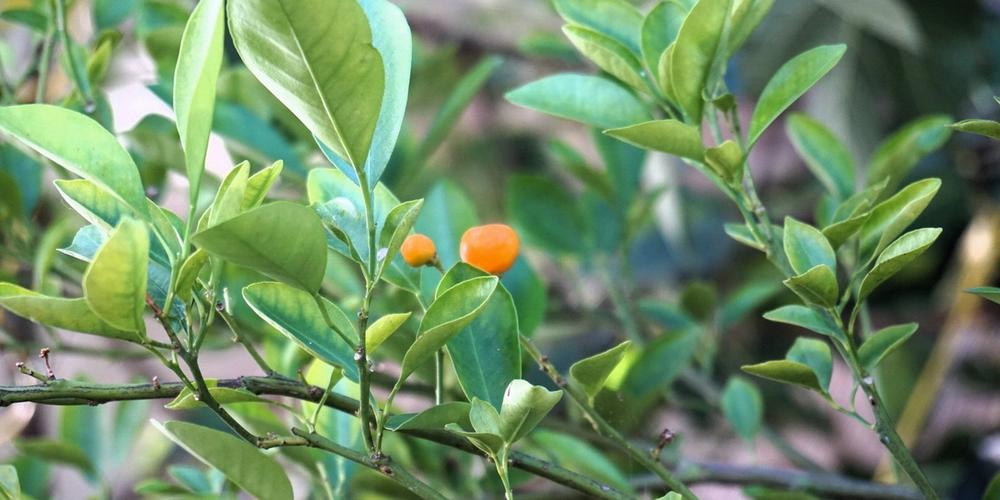
Growing Delicious Mandarins in Your Greenhouse

Can You Grow Mandarin Oranges in a Greenhouse?
A mandarin tree can bring glossy evergreen leaves, fragrant flowers, and delicious fruit into your greenhouse garden. There are dwarf varieties that grow to 8–10 feet tall. A standard mandarin tree can grow to 25 feet tall. Mandarin trees prefer hot summers and mild winters.
Growing mandarin oranges in a greenhouse is a rewarding way to bring sweet, easy-to-peel citrus into your home garden, even if you live in a climate where citrus trees would not normally thrive. Mandarin trees love sunshine, warmth, and well-draining soil, but they also need protection from freezing temperatures. That is where a greenhouse or Growing Dome can make all the difference.
Dwarf mandarin and satsuma trees are especially well-suited for greenhouse growing because they stay smaller than standard citrus trees and can be grown in large containers. With the right placement, watering routine, and winter protection, your mandarin tree can become both a productive fruit tree and a beautiful evergreen feature in your greenhouse garden.

Mandarin Orange Tree Plant Snapshot
Common Name: Mandarin orange, mandarin, satsuma
Scientific Name: Citrus reticulata
Type: Evergreen citrus tree
Light: Full sun, at least 6 hours daily
Best For: Greenhouse, Growing Dome, large container, warm-climate outdoor gardens
USDA Zones: 8–11 outdoors, with greenhouse protection in colder climates
Soil: Well-draining, fertile soil
Soil pH: Slightly acidic to neutral
Why Grow Mandarins in a Greenhouse?
Mandarin orange trees thrive in warm, sunny conditions, which makes them a rewarding choice for greenhouse growers who want to grow citrus outside of traditional citrus regions. In warm climates, mandarins can often be grown outdoors. In colder regions, a greenhouse, Growing Dome, or large container gives you more control over winter protection, wind exposure, watering, and temperature swings.
A Growing Dome can be especially helpful because it gives gardeners more control over the growing environment, helping protect citrus trees from cold, wind, and sudden temperature swings while creating a warmer microclimate for plants that would struggle outdoors. Mandarin trees still need plenty of light, good drainage, and protection from freezing temperatures, but the stable environment of a greenhouse can make citrus growing possible in places where outdoor citrus would not survive year-round.
For unheated greenhouses in cold climates, choose a dwarf mandarin or satsuma variety and grow it in a large pot so it can be moved indoors during extreme cold. If you are growing in a heated greenhouse or Growing Dome, you may be able to keep your tree in place through winter, depending on your climate, greenhouse setup, and the needs of the other plants growing nearby.
Where to Plant a Mandarin Tree
Mandarin trees need full sun (at least 6 hours) and are best planted in the center bed. If your greenhouse will not be heated and you live in a cold climate, consider growing a dwarf variety in a large pot so it can be moved inside your home for the winter.

Choose a large container with drainage holes, use a citrus or well-draining potting mix, and avoid letting the pot hold standing water. Container-grown mandarins dry out faster than in-ground trees and may need more frequent watering, especially during flowering and fruit development.
Our mandarin is planted in a pot placed on the southwest side of the 33' Growing Dome for maximum sunlight. We heat this Dome in the winter due to our other, more tropical and sensitive plants such as guava and avocados.
If you are planting the tree in a bed, use caution and choose the location carefully. It is not recommended to plant too close to the glazing or walkways because large citrus trees become woody, long-lived, and harder to move later.
Don’t have a Growing Dome? Choose the brightest location in your greenhouse with good airflow and enough room for pruning. Outdoor growers should only plant mandarin trees in warm zones where they can be protected from frost. If you live in a cold climate, a large container is usually the safest option because the tree can be moved or protected when temperatures drop.
How to Plant a Mandarin Tree
The recommendation for growing citrus trees is to purchase a small tree. Grafted trees are the best choice as the rootstock can provide resistance to disease and sometimes frost tolerance. To plant a grafted tree, leave four to five inches of rootstock above the soil. It’s important not to bury the graft union.
Growing a mandarin tree from seed will take years to bear fruit.
Mandarin Orange Tree Care

Light Requirements
Mandarin trees do best with full sun, at least six hours each day. They are fine with partial shade. In hot climates, they may sunburn. Protect your tree by using a shade cloth.
Partial sun is fine; however, if the tree does not get enough sunlight, it may not produce fruit.
Temperature & Winter Protection
Mandarin trees prefer warm conditions from 40 to 90°F (4 to 32°C) and should be protected from freezing temperatures, especially when fruit is on the tree. In a Growing Dome or greenhouse, watch both winter lows and summer highs. Cold can damage fruit and tender growth, while excessive heat can stress the tree, reduce flowering, or cause fruit drop.
If your greenhouse is not heated, the plant will need to be moved inside during colder temperatures. Consider growing your tree in a pot to make it easier to move.
Growing mandarins outdoors is not realistic in every climate, but a greenhouse or Growing Dome can give citrus trees the protection they need through cold winters.
Want to Grow Citrus In the Snow?
Request a free personalized Growing Dome estimate.

Start with the Right Soil
Mandarin trees need good drainage and can tolerate a range of soil types. Soil testing every spring is a good habit to practice. Mandarins prefer well-draining soil with a slightly acidic to neutral pH, roughly 6.0 to 7.0.
Monitor Watering
Citrus trees are best watered weekly in the morning. Using soaker hoses or drip irrigation will help keep the tree trunk dry. During fruit development, keep the tree well watered. Once the fruit is nearing full size, cut back on watering so the sugar in the fruit will build up.
If you are growing your mandarin tree in a pot, it will need more frequent watering.
Self-Pollination
Mandarins are the perfect tree for a Growing Dome because they are self-fertile. In enclosed greenhouse environments, pollination can be a challenge, but by choosing self-fertile varieties of plants, you set yourself up for success.
Even self-fertile trees benefit from airflow and insect activity. In a closed greenhouse, gently shaking flowering branches or using a small paintbrush can help move pollen if you are not seeing fruit set.
Pruning for Optimal Growth
The best time to prune mandarin trees is from late winter to early spring, between February and April. Focus on removing dead, damaged, crossing, or crowded branches while maintaining the size and shape of your tree. Remove suckers by cutting them even with the main tree trunk. It is also wise to prune to open the tree canopy and allow more light in, removing overlapping branches.
Feeding Your Trees
Look for fertilizers that are formulated for citrus trees. Blends that include micronutrients (copper, iron, magnesium, and zinc) are best for citrus. Slow-release fertilizers should be applied once or twice each year. It is important to feed mandarin trees between March and August, as this is their most active growing period.
Best Companion Plants for Mandarin Orange Trees
Citrus trees can attract several common greenhouse pests, and mandarin trees are no different. In light of this, companion plants will be very helpful in protecting your tree. Plant some companions around your tree to keep pests away or to lure pests to a trap crop.
Once again at the top of the list are marigolds! These bug-busting flowers are helpful throughout the garden, and they are beautiful.

Petunias are another companion plant to consider with citrus. They help repel aphids, tomato hornworms, squash bugs, and other pests, such as asparagus beetles. They are beautiful and can be used to provide shade if you plant them in hanging baskets.
Borage is good at fighting pests, is edible, and the blue flowers are gorgeous. NOTE: Borage does contain toxins in small concentrations, which can lead to digestive upset and other issues if eaten daily and/or in large quantities.
Another option is to plant nasturtium as a trap crop. They are also edible, but we prefer to eat them before they attract all the aphids!
Lemon balm and parsley attract tachinid flies, and they will kill harmful caterpillars.
Consider planting dill, fennel, and yarrow outside your dome to attract beneficial insects such as lacewings and ladybugs. Planting these plants in your greenhouse may lead to them taking over. Yarrow can become invasive; dill and fennel are very good at self-seeding…everywhere. If you decide to plant them inside, we recommend planting them in pots and not letting them go to seed.
Legumes can support soil health when used as part of a larger planting plan, especially when roots and plant material are allowed to break down in place. They can feed hungry citrus trees. See, your Mom was right, eat your peas!
Mandarin Tree Pests and Diseases
Citrus trees tend to be very inviting to pests. Below are just a few of your citrus trees’ enemies.
Greenhouses protect mandarin trees from harsh weather, but they can also create ideal conditions for pests if airflow is poor or plants are crowded. Check leaves, stems, and new growth regularly, especially during warm weather.
Controlling Aphids
These pests can be controlled by beneficial insects and natural predators. However, checking your greenhouse plants frequently will help protect your plants. If they get out of control and take over the greenhouse, they are more difficult to deal with.

Look closely, this plant has both aphids and mealy bugs (an unarmored scale)
How do you know if your plants have aphids? Check your plants, especially under the leaves. They may cause the leaves to deform and produce honeydew, which ants love. If you have ants, check for aphids. Honeydew can also lead to the problem of sooty mold.
Aphids come in quite a few colors and can be removed by spraying with water, using insecticidal soaps, or horticultural oils. Be sure to manage any ants as well.
How to Spot and Stop Mites
These pests are very small and can be difficult to detect. They will damage the leaves, seen by stippling (speckled with spots) or leaf drop.
A hand lens is useful to have handy to identify the type of mite, which comes in a range of colors. Fertilizing citrus trees will keep them strong and help fight off pests, whereas trees that are weak or stressed may struggle.
Insecticidal soaps and horticultural oils are useful when mite populations become large. Spending time in your greenhouse monitoring your plants is as important as watering, trimming, and harvesting.
Managing Scale
This is seen on tree twigs and branches and appears as circular or oval bumps on bark, leaves, stems, and fruit. Leaves that appear bronzed or yellow and stippled, as well as leaf drop or dying branches, are signs of scale. Oil sprays can be effective in treating scale.
Watch for ants. Soft scale leaves honeydew deposits on leaves, and ants are attracted to it. If you see black, sooty mold, you most likely have pests that are making honeydew. On the flip side, if you see ants in your greenhouse, check your plants for pests.
Thwarting Thrips
These small yellow or orange pests are especially harmful to young trees because they can stunt growth. On mature trees, they can cause curled leaves or scarring on young fruit.
Keeping beneficial insects happy in your greenhouse will help keep thrips under control. Spraying plants is not effective. For young trees, consider using insect screens or a woven poly mesh for protection against pests.

Introducing Beneficial Insects
Beneficial insects such as green lacewings and ladybugs will help. Consider buying them throughout the season, as pest types and numbers will fluctuate. Another beneficial insect is the Minute Pirate Bug (Ahoy, matey!) They will eat pests whole…shiver me timbers! We will be trying the pirate bugs out at our Growing Spaces campus, and we will share how that works. Do you think they wear little eye patches?
Halt Citrus Leaf Miners in Their Tracks
Citrus leafminers are not generally a concern for growers in states like Colorado, but they can be introduced into a greenhouse setting if you import plants from places like Florida or California. They are the larval stage of a small, light-colored moth that mines their way through citrus leaves, leaving a trail behind them. While young trees may see a reduction in growth and the damage is unsightly, they are unlikely to kill the tree.
There are several ways to effectively control them, including pheromone traps that will attract the adult moths. There are a few species of wasps that are natural predators. And your pruning practices can also reduce your risks. By limiting the frequency of pruning to once a year, you reduce the chance that the tree will flush with the young, tender leaves the leafminers thrive on.
Preventing Root Rot
One of the risks of growing citrus in a container is the possibility of root rot. Root rot is caused by overwatering and poor drainage, which create an ideal environment for mold to develop. Symptoms to be aware of include yellowing leaves and even severe leaf drop. One way to confirm if the cause is root rot is to gently remove the plant from its pot. If the roots look thick and white or light tan, this is not likely the cause of your problem. Roots that are decaying and falling away from the plant are tell-tale signs. Lab tests are the only way to confirm Phytophthora mold.
There may still be hope for your citrus tree. Some gardeners use a mild peroxide solution when repotting, but the most important steps are removing rotted roots, replacing contaminated soil, improving drainage, and reducing watering.

Harvesting Mandarins
Harvest mandarins when they have turned completely orange and are a bit soft. Do a taste test! If they are sour, they need more time to ripen. If they are sweet and juicy, they are ready to eat. Mandarins do not continue to sweeten after picking.
It is best to use clippers to remove the fruit from the tree. Pulling the fruit can remove some of the top of the peel which will expose the fruit. Keep the peel for better storage.
Pro Tip: Clean clippers after use to avoid any possible cross contamination.
Mandarin Orange Benefits, History, and Uses
Mandarins may be small, but they carry a long history and plenty of flavor. These sweet, citrus fruits are native to Southeast Asia and have been cultivated in China and India for thousands of years. Wild mandarins are still found in parts of southern China, including regions near the Nanling Mountains, where subtropical growing conditions helped shape the fruit we know today.
Over time, mandarins spread throughout Asia and eventually around the world. Today, they are one of the most popular citrus crops because they are sweet, fragrant, snackable, and easier to peel than many other oranges. Mandarins are also an important symbol during Chinese New Year, often given as gifts or used as decorations to represent good luck and fortune.
Mandarins are sometimes called tangerines, though the terms are not always used interchangeably. The name “tangerine” is often connected to Tangier, Morocco, a port city that helped introduce this type of citrus to parts of Europe and the Mediterranean trade routes.
Mandarin peels are useful too. They can be zested fresh into recipes, dried for tea, or used in cooking. In Chinese cuisine, dried mandarin peel, known as chenpi, is valued for its aromatic flavor and is used in many savory and sweet dishes.

Mandarins are also a nutritious little fruit. A medium mandarin has about 47 calories and provides vitamin C, along with smaller amounts of copper, iron, magnesium, and potassium. They are hydrating, a good source of fiber, and contain antioxidants and flavonoids that support overall wellness as part of a balanced diet.
Best of all, mandarins are easy to enjoy. Eat them fresh, pack them as a snack, add them to salads, use the zest in recipes, or freeze fresh-squeezed mandarin juice in ice cube trays for smoothies, sauces, and treats.
If you are lucky enough to harvest your own mandarins, save a few for a fresh, creamy treat. Our homemade Mandarin Orange Julius recipe uses fresh-squeezed mandarin juice for a naturally sweet citrus flavor, no concentrate required. It’s a delicious way to celebrate your greenhouse harvest.
Growing a mandarin tree in your greenhouse or Growing Dome is a rewarding way to enjoy glossy evergreen leaves, fragrant blossoms, and delicious, easy-to-peel fruit at home. Whether you grow a dwarf mandarin in a large pot or plant a citrus tree in a protected greenhouse bed, the right combination of sunlight, drainage, watering, and winter care can help your tree thrive for years to come.
Free Download
Frequently Asked Questions About Growing Mandarins
What are the ideal growing conditions for mandarin trees?
Mandarin trees require full sun (at least 6 hours daily) and temperatures that range from 40°F to 90°F. They can tolerate very short periods down to 20°F as well as short periods of temperatures above 100°F. Mandarin trees can tolerate many soil types, but need good drainage. They thrive in slightly acidic to neutral soils.
When should I prune my mandarin tree?
The best time to prune mandarin trees is from late winter to early spring, between February and April. Focus on removing dead, damaged, crossing, or crowded branches while maintaining the size and shape of your tree.
How long does it take for mandarin trees to produce fruit?
From flowering to fruit can take 6 to 8 months.

Do mandarin trees need to be pollinated by hand in a greenhouse?
Most mandarins are self-fertile, but hand-pollination can help in enclosed greenhouses with limited insect activity.
Can you grow mandarin oranges in a greenhouse?
Yes. Mandarin oranges can be grown in a greenhouse if they receive enough sunlight, good drainage, and protection from freezing temperatures.
How do I overwinter a mandarin tree in an unheated greenhouse?
Plant the tree in a pot and move it indoors for the winter.
What are the best companion plants for mandarin trees?
Borage, lemon balm, marigolds, nasturtiums, and parsley are great companions for mandarin trees. They help deter pests, attract beneficial insects, and, in the case of borage, help improve soil nutrients.
How do I know when the mandarin fruit is ripe?
Mandarin fruit is usually ready for harvest 6–8 months after flowering. They will be ready to harvest when they are completely orange and a little soft. Ripe mandarins will be easy to peel, juicy, and sweet. If they are sour, they are not ripe.
Why is my mandarin tree dropping fruit?
Fruit drop can be caused by stress, including temperature swings, underwatering, overwatering, poor pollination, or excessive heat.

Seasonal Growing Tips & Greenhouse Advice
Monthly stories from our greenhouses, Growing Dome spotlights, and other gardening content


Share This

I joined Growing Spaces in 2021 as a gardener and now work with the Marketing and Social Media department. Formerly I was a kindergarten teacher and then worked as a Gardener and Volunteer Coordinator at Maui Nui Botanical Gardens in Hawai'i. Since moving to Colorado I have worked in the veterinary field and have been involved in therapy dog work visiting hospitals, schools and libraries with a national therapy group. My previous dog and I also worked as a crisis response team helping those affected by crises or disasters and were deployed through Hope Animal-Assisted Crisis Response (Hope AACR). Muppet and Maple are my current therapy dogs and we visit the library and hospital here in Pagosa Springs. Muppet is also a crisis response canine with Hope AACR. Outside of working and volunteering, I love growing native plants, flowers, berries, herbs and veggies at home, photography, hiking, horseback with my husband and hanging out with our dogs.
View full bioDownloads
Featured Categories
Seasonal Growing Tips & Greenhouse Advice
Monthly stories from our greenhouses, Growing Dome spotlights, and other gardening content
Featured Stories


Growing Dome Photo Contest 2026


How the Growzebo™ Came to Life


Featured Products


Sign up for The Happy Grower Newsletter
Once a month: stories from our gardens, Growing Dome spotlights, and what's in season in Pagosa Springs.