Seed Germination In Your Growing Dome®

Seed Starting For Fast and Consistent Germination Rates
What are seeds and how do we best “start” them to ensure consistent germination rates? Why do they sprout when they do?
Understanding the fundamentals of seeds and seed germination allows for designing optimal situations and practices for successful starts for your garden.
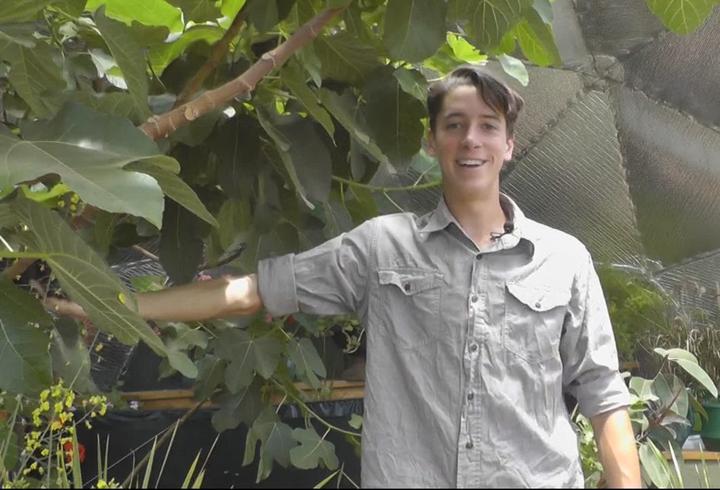
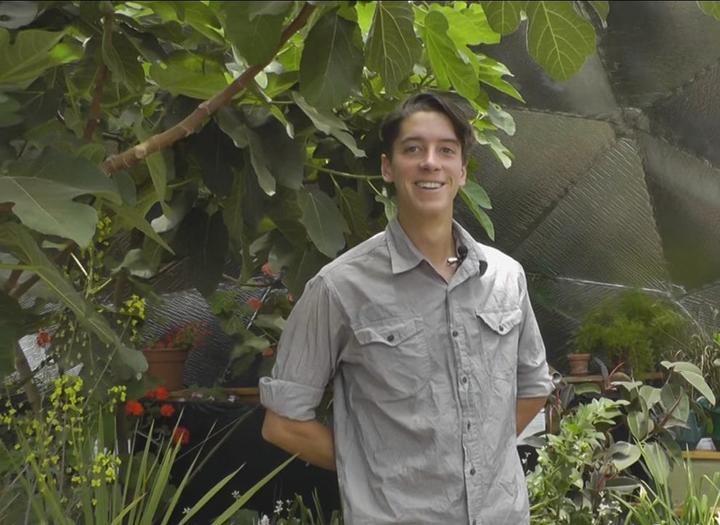
Meet Roland. He is Growing Spaces® Growing Dome Gardener extraordinaire. Starting seeds, pulling trays out of trees, and packing our Growing Domes with mature plants all year round. Good work Roland.
Pulling trays out of trees? You’ll see. Watch the video below.
Seed Germination: Growing Dome Greenhouse
What exactly is a seed?
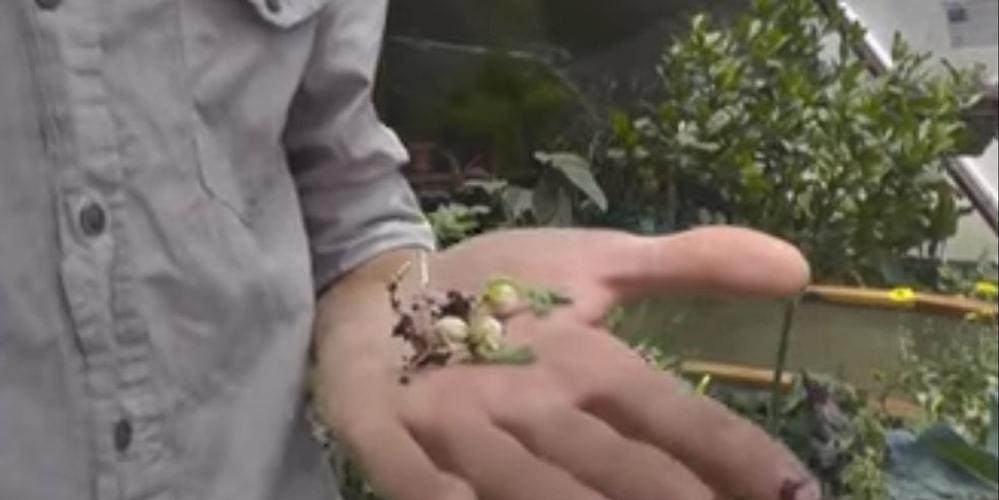
Here Roland explains a seed is an embryonic plant enclosed in a protective covering, often with a small supply of nutrients to feed the plant in its initial stages of growth.
The plant is alive inside the seed, but its growth is on hold and its metabolism is slowed to a crawl.
The process of germination entails “waking up” the seed.
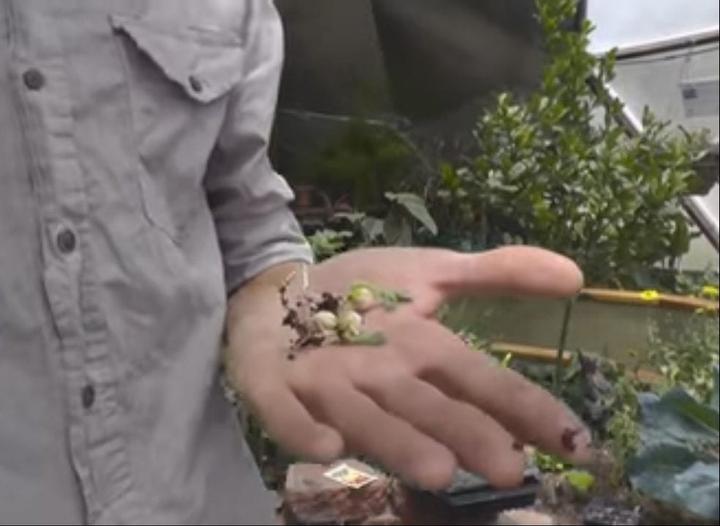
For a seed to wake back up, or germinate, its metabolism must be reactivated by the right environmental conditions.
Externally, this means the proper range of:
- temperature
- moisture
- air
- light or darkness
- presence or absence of particular chemicals
What each particular species or variety needs is closely tied to its natural habitat.
How do we wake them up? For most seeds we start, we can simply place them in the right combination of moisture and air within the right temperature range.
When is it warm enough to plant? Here is a link to our friends over at www.gardeners.com about when it is warm enough to plant along with a table of temperatures for some common garden plants.
Here Roland shows the type of medium he prefers for starting seeds.
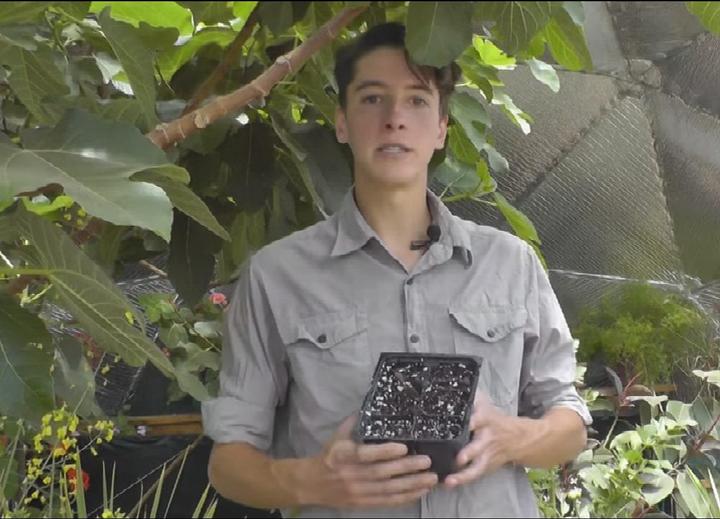
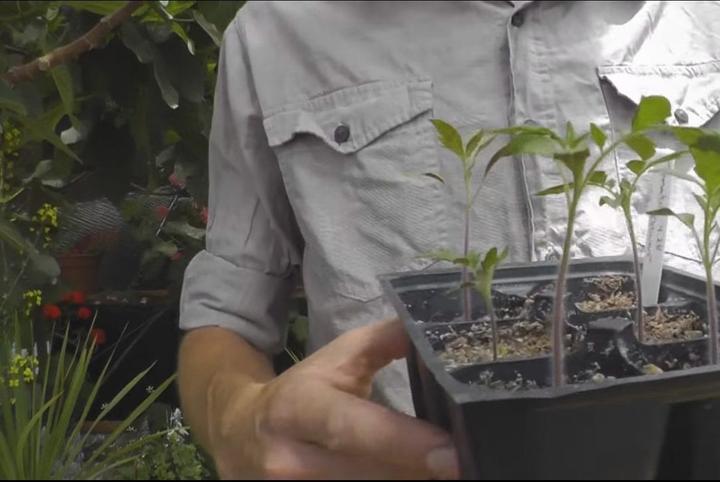
His tomato seeds are going into a sterile, dampened mix of coconut coir and perlite and he explains why this is his preferred method.
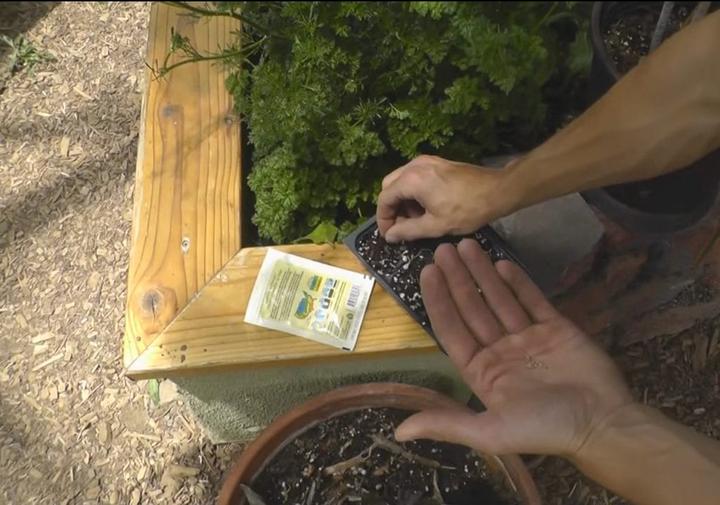
But where did he get his tray?
I don’t want to give too much away because I want you to watch the video, but here’s a hint.
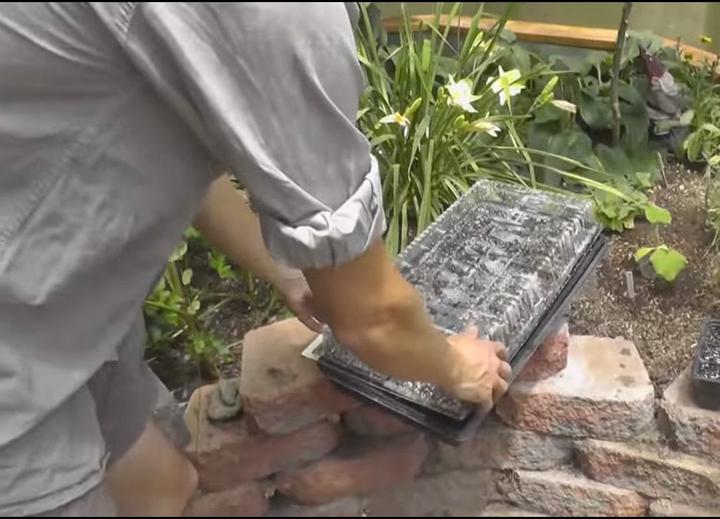
Roland uses an elevated plastic cover. If the seeds take varying amounts of time to germinate, they have enough room to grow without pressing up against the cover, trapping too much moisture and making them more susceptible to disease.
The Growing Dome has a much longer season than the outdoors, pretty much all year-long.
So, Roland likes to start seeds regularly to always have plants ready to fill in the spot after something is harvested.

Seasonal Growing Tips & Greenhouse Advice
Monthly stories from our greenhouses, Growing Dome spotlights, and other gardening content


Share This

Jason joined Growing Spaces in March 2008 by shoveling gravel into a 33-foot Growing Dome for three days. He stayed on for years after, working in metal fabrication, running the shop, and writing for the blog and newsletter, where many of these articles came from. Before Growing Spaces, he studied Environmental Studies at Warren Wilson College. He's now a marketing strategist and copywriter focused on story-based email sequences, advertorials, and Facebook ads.
View full bioDownloads
Featured Categories
Seasonal Growing Tips & Greenhouse Advice
Monthly stories from our greenhouses, Growing Dome spotlights, and other gardening content
Featured Stories


Sowing Winter Crops in the Growing Dome

Sowing Seeds for Your Winter Crop


How to Start and Transplant Vegetables

Featured Products


Sign up for The Happy Grower Newsletter
Once a month: stories from our gardens, Growing Dome spotlights, and what's in season in Pagosa Springs.