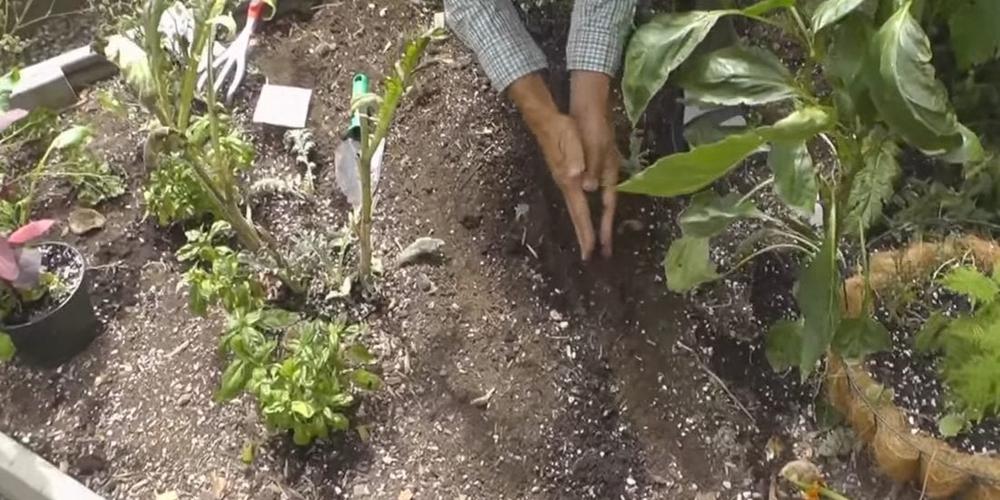
Sowing Seeds for Your Winter Crop

Sowing Seeds for Your Winter Crop
Sowing Seeds In Late Summer/Early Fall & Preparing For Winter
“Don’t judge each day by the harvest you reap, but by the seeds you plant.” Robert Louis Stevenson
If you grow in a greenhouse or even if you have an outdoor garden threatened by winter snow, you should be sowing seeds for your winter crops in late summer or early fall.
If you sow in late August to early September*, your seeds will germinate and grow into well established plants by November, before the snow really starts to fly.
*Climate Change reality: October is the new September. There is still time to sow for winter if you get started now
First, if you live in a mild climate, you might be able to harvest some plants throughout the winter. You can protect them with straw or row covers.
If you are unable to harvest, at least you will have established plants when the snow melts, and a significant head start on your spring planting and spring eating.
Second, if you’re contemplating getting a Growing Dome® this fall, the key is to start sowing seeds in flats now.
By the time you install and prepare your Growing Dome with soil, your plants will be up and ready to transplant into your new indoor beds. Get started now and have fresh greens and produce all winter long.
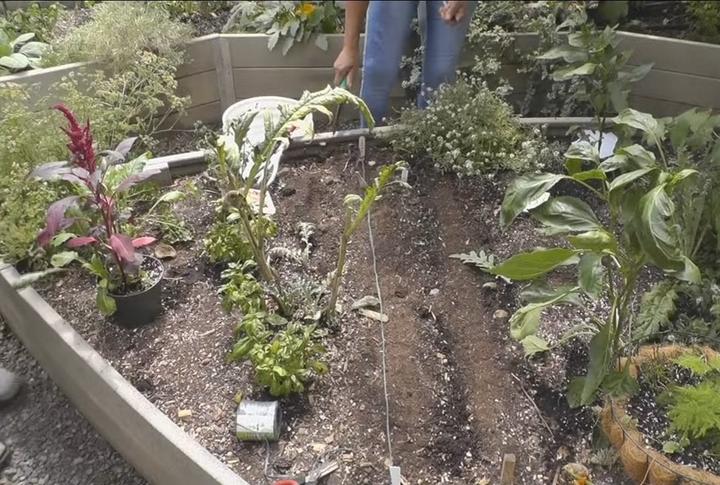
Starting and Transplanting Vegetable Crops
Easily survive transplanting – can be sown in flats or pots.
- Broccoli
- Cabbage
- Cauliflower
- Brussels Sprouts
- Collards
- Strawberries
- Lettuce
- Peppers – must be transplanted in CO
- Tomatoes – must be transplanted in CO
- Eggplant – must be transplanted in CO
Require care in transplanting – can be sown in flats, pots, or in final destination.
- Kale
- Kohlrabi
- Watermelon (does better than other melons generally)
- Spinach
- Parsley
- Chard
- Mustards
- Celery – requires care in transplant, but recommend transplanting in CO due to long season growing needs (very slow growing).
- Leeks – ok to transplant, but require care. ~95 days to maturity after transplant, 125 after direct seeding. Transplant starts when leeks are about pencil thick. Leeks need to be hilled or mounded during growth.
Difficult to transplant – only sow in final destination.
- All root crops
- Carrots
- Radishes
- Beets
- Beans
- Corn
- Cucumbers – especially susceptible to transplant shock
- Cantaloupe and other melons – especially susceptible to transplant shock
- Okra
- Peas
- Squash and pumpkins – especially susceptible to transplant shock
- Turnips
We hope you find this information helpful. Look out for our next blog post and video on thinning and transplanting.

Seasonal Growing Tips & Greenhouse Advice
Monthly stories from our greenhouses, Growing Dome spotlights, and other gardening content


Share This

This byline marks posts written collectively by Growing Spaces staff where no single contributor is the primary author. Growing Spaces has designed and built geodesic Growing Dome greenhouses from Pagosa Springs, Colorado since 1989, with more than 2,000 installations across 50 states and 14 countries. Posts under this byline draw on shared expertise from the team: gardeners working the production trial domes, design and engineering staff, installation crews working on customer sites, and customer experience staff who walk owners through configuration and long-term operation. When a post belongs under one person's name, it carries that person's byline instead.
View full bioDownloads
Featured Categories
Seasonal Growing Tips & Greenhouse Advice
Monthly stories from our greenhouses, Growing Dome spotlights, and other gardening content
Featured Stories


Featured Products


Sign up for The Happy Grower Newsletter
Once a month: stories from our gardens, Growing Dome spotlights, and what's in season in Pagosa Springs.