How to Grow Sorrel Successfully


Sorrel in the GoFarm 26′ Greenhouse – Golden, Colorado
How to Grow Sorrel
When I talked with our team about what plant we should highlight this month, our owner Lem Tingley jumped at the opportunity to mention sorrel. He had never heard of if before visiting Shannon Harker at GoFarm’s 26′ Dome in Golden, CO. He said it had such a surprising taste that we had to tell people about it, and so here I am sharing it with you. He likes to put it on a fresh, dome grown salad. Its zesty taste adds so much flavor, you don’t even need dressing! So lets learn how to grow sorrel!
Know Before You Grow Sorrel

Lem sneaking a sorrel snack.
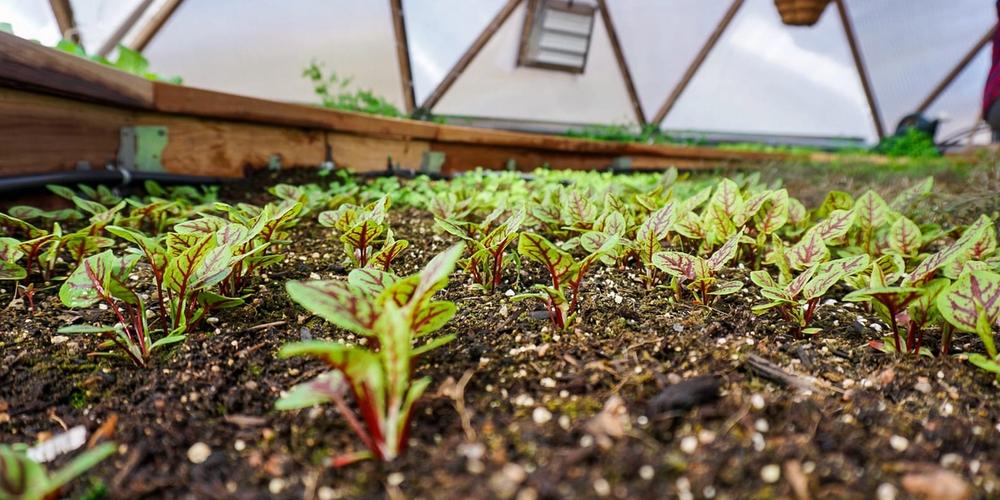
Sorrel is a small edible green plant from the Polygonaceae family, which also includes buckwheat and rhubarb. The French translation of sour (“sorrel”) is spot-on. The leaves have an intense and unique lemony tang. In smaller quantities, the taste reminds some of citrus fruit or wild strawberries, with a slight edge. There are three major varieties to know: broadleaf, French, and red-veined sorrel. Broadleaf sorrel has slender, arrow-shaped leaves. French or Buckler leaf sorrel has small, bell-shaped leaves, while red-veined sorrel (photographed above) has a slim, tapered leaf with red veins throughout.
Planting Sorrel
Sorrel is a shorter herb, reaching heights of 8-12″. When planting choose a spot in your Growing Dome Greenhouse with good drainage and full sun. Sorrel likes a slightly acidic soil pH, somewhere in the range of 5.5 to 6.8. Since it is grown for its leaves, a soil rich in organic matter will give you lots of leafy, green growth. For the best results, sorrel should be started 4-6 weeks prior to the final frost of the spring. Sow shallowly, at a depth of approximately 1/4″. Keep well-moistened, and moderate water slightly once seeds start to germinate. After the plant is fully developed water them regularly; at least 1 inch per week.
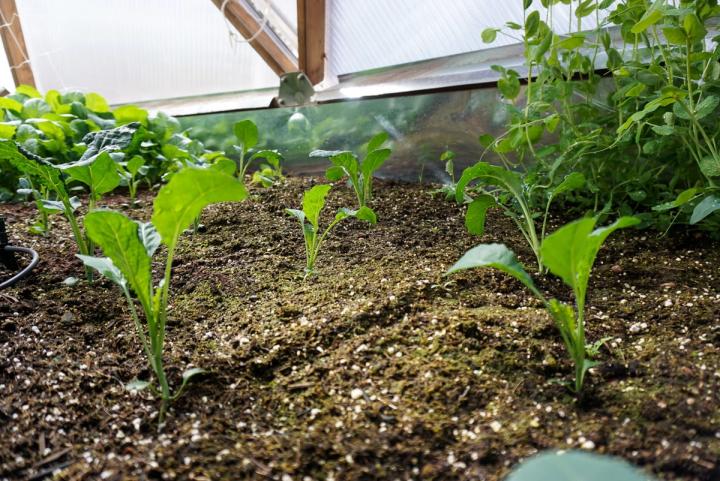
“baby” broadleaf sorrel

Full grown sorrel in a greenhouse
Harvesting Sorrel
Newly seeded plants take 35 to 40 days to reach “baby” size and two months to fully mature. Sorrel is ready to harvest when the leaves are about 4 inches long. Tender leaves are best for eating. If you collect the older outer leaves through a process called “cut and come again,” you will have a steady supply throughout the season.
Unless you want to save seed, cut the seed stalk to the ground and remove any declining leaves. The plant should re-sprout with more tender leaves. Sorrel will self-seed if you leave the seed heads on the plants.

Cooking with Sorrel
Check out June’s featured Chickpea and Sorrel Salad recipe for a simple three-step vegan salad that will ignite your taste buds.
Do you grow sorrel in your Growing Dome? Share a picture with us in our Growing Dome Enthusiasts Facebook Group.

Seasonal Growing Tips & Greenhouse Advice
Monthly stories from our greenhouses, Growing Dome spotlights, and other gardening content


Share This

Kenzie was Marketing Director at Growing Spaces from 2019 to 2024. Her favorite part of the job was telling customer stories through the featured dome articles, connecting with people through storytelling and seeing how differently they used their greenhouses. She studied marketing at Eastern Illinois University and continues to work in marketing, with a focus on SEO-driven content, email, paid media, and demand generation. Outside of work she's usually skiing or otherwise out enjoying Colorado.
View full bioDownloads
Featured Categories
Seasonal Growing Tips & Greenhouse Advice
Monthly stories from our greenhouses, Growing Dome spotlights, and other gardening content
Featured Content

Vegan Chickpea and Sorrel Salad


How to Succeed with Companion Planting

Planning Your Geodesic Dome Greenhouse
Featured Products


Sign up for The Happy Grower Newsletter
Once a month: stories from our gardens, Growing Dome spotlights, and what's in season in Pagosa Springs.