


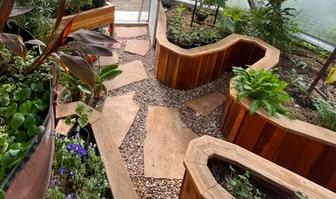



A Weather-Resistant Greenhouse Kit Built for Real-World Conditions
When you invest in a greenhouse, you want to know it can handle the conditions your garden actually faces. The Growing Dome® is a weather-resistant greenhouse kit designed for growers dealing with high winds, heavy snow, hailstorms, extreme temperature swings, and wildlife pressure from deer, rodents, birds, and other garden visitors. With durable 16mm polycarbonate glazing, passive solar thermal mass, and a climate-ready geodesic design, it creates a stronger year-round growing space for harsh climates and unpredictable seasons.

What Makes a Greenhouse Kit Ready for Harsh Climates?
The best greenhouse kit for snow and wind is not defined by one feature alone. It should combine structural strength, reliable wind and snow load ratings, impact-resistant glazing, ventilation, thermal performance, and site-specific climate planning. For gardeners comparing a greenhouse for extreme weather, these details matter because they determine how well the structure protects plants when storms, temperature swings, and wildlife pressure arrive.


Designed for the Conditions Gardeners Actually Face
A Greenhouse for High Winds and Exposed Sites
High winds can put serious stress on a greenhouse, especially on exposed properties, open fields, mountain valleys, and storm-prone sites. The Growing Dome is designed with a geodesic shape that helps wind move around the structure instead of pushing against broad, flat walls. Standard plans are stamped for 115 mph wind loads to support a strong, stable growing space when gusts pick up.

Wind Load Capacities
| 15' - 26' Growing Domes | 33' Growing Dome | 42' Growing Dome | |
|---|---|---|---|
Standard Kit | 115 mph | 115 mph | 115 mph |
Upgraded Wooden Foundation Wall | 150 mph | 140 mph | 130 mph |
Upgraded ICF Foundation Wall | 160 mph | 160 mph | 160 mph |
One of the Best Greenhouse Kit Designs for Snow and Wind
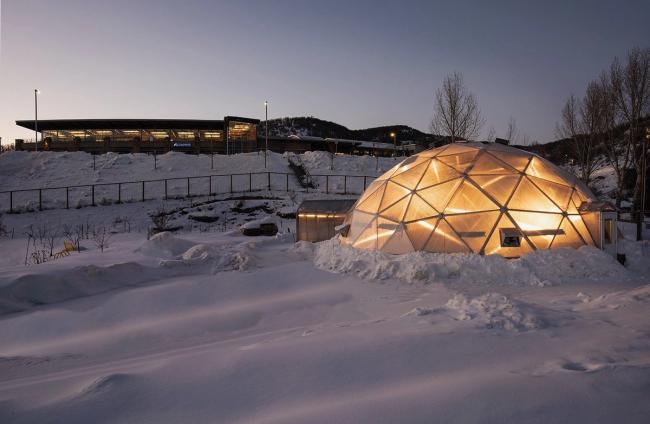
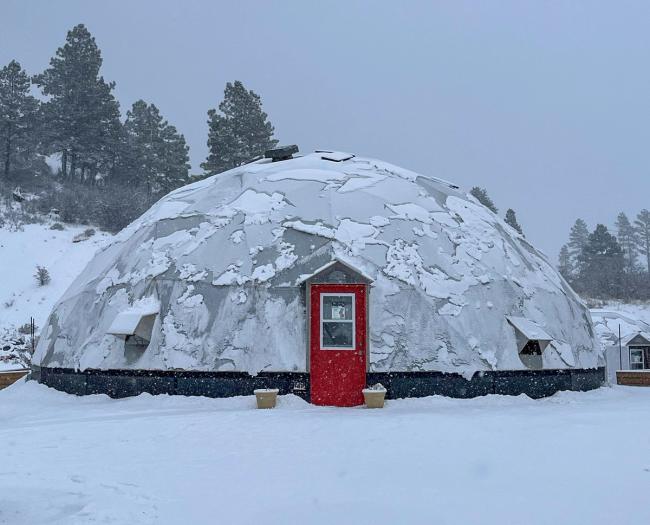
Snow load is about more than how much snow falls. It is about how much weight stays on the structure after a storm. Flat or shallow greenhouse roofs can allow snow to accumulate, increasing pressure on the frame and panels. The Growing Dome’s geodesic shape helps reduce that risk by encouraging snow to slide off more naturally while distributing weight across its interconnected frame. With an average snow load capacity of 62 pounds per square foot, the dome is designed to support year-round growing in cold, snowy climates where winter weather is a factor.
Snow Load Capacities
Use the chart below to compare Growing Dome® snow load capacities by size and better understand which dome may be the right fit for your local conditions. All snow load values shown are Flat Roof Design Values, Pf, using Risk Category 1, Thermal Factor 1.20, and Target Factor of Safety 2.0
| 15' Growing Dome | 18' Growing Dome | 22' Growing Dome | 26' Growing Dome | 33' Growing Dome | 42' Growing Dome | |
|---|---|---|---|---|---|---|
Standard Kit | 85 psf | 75 psf | 75 psf | 65 psf | 40 psf | 30 psf |
Maximum Engineering Modifications | >120 psf | >110 psf | >110 psf | >100 psf | >75 psf | >65 psf |
A Hail-Resistant Greenhouse with 16mm Polycarbonate Glazing
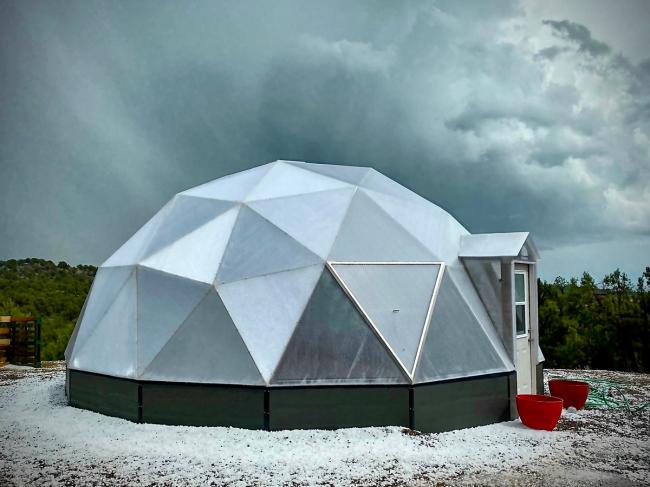
Hail can destroy an outdoor garden in minutes, shredding leaves, bruising fruit, breaking stems, and flattening tender seedlings before the storm passes. The Growing Dome uses durable 16mm, 5-wall polycarbonate glazing that is cited as 200 times stronger than glass by the manufacturer, giving your plants a thicker layer of protection during hailstorms and sudden severe weather. Unlike glass, polycarbonate is designed to flex under pressure rather than shatter, making it a strong choice for hail-prone regions, mountain climates, and areas with unpredictable summer storms.
Cold-Climate Greenhouse Support with Thermal Mass
Winter growing depends on how well a greenhouse stores heat when the sun is available and holds onto it when temperatures drop. The Growing Dome is designed with several cold-weather advantages working together: an insulated foundation wall to reduce heat loss at the base, an above-ground pond that acts as thermal mass, and the dome shape with less exterior surface area than a traditional rectangular greenhouse. During the day, the pond absorbs warmth from the sun. As the air cools, it slowly releases that stored heat back into the growing space. These features help support more stable temperatures through cold nights, winter weather, and seasonal swings.
Ventilation and Shade Support for Extreme Heat
Hot weather can be just as challenging for greenhouse growing as winter cold. Without proper airflow and shading, temperatures can climb quickly and stress plants during long summer days. The Growing Dome includes ventilation features that help release excess heat and keep air moving. The included shade cloth can also be added during the hottest months to reduce intense sun exposure, protect tender leaves, and help maintain a more comfortable environment for plants. Together, ventilation, shade, light diffusion, and passive solar design help support healthier growth through heat waves, intense summer sun, and seasonal temperature swings.
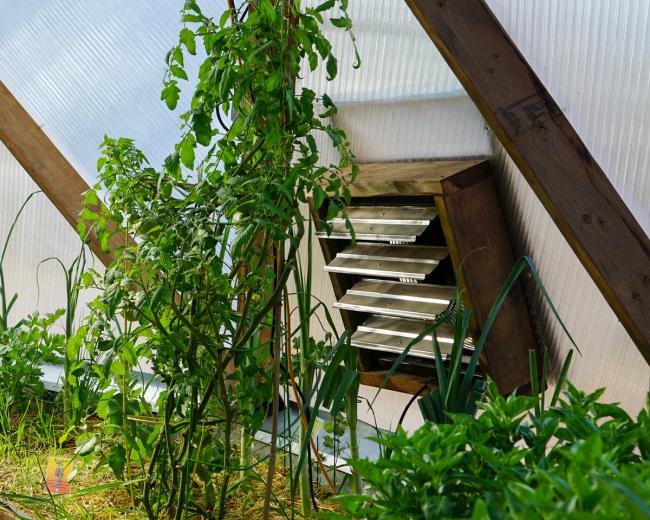
Need Help Planning for Extreme Temperatures or Specific Growing Goals?
If you live in a very hot climate, a very cold climate, or simply want more control over your growing space, the Climate Tools Calculator can help you estimate heating and cooling needs.
Protection Beyond the Weather
Few things are more frustrating than watching a garden thrive all season, only to have deer, rodents, or birds disturb and destroy it just as plants are ready to harvest. Deer browse tender greens and fruiting plants, rodents dig through beds and damage roots, and birds can peck at ripening crops before you get the chance to enjoy them. The Growing Dome helps create a protected growing space between your harvest and the wildlife pressure outside, reducing the risk of losing months of work overnight.

Tested by Real Growers in Real Weather
A greenhouse can look strong on paper, but the real proof comes from the people growing through hailstorms, heavy snow, high winds, extreme temperatures, and wildlife pressure. Owners across the country have seen how the Growing Dome can change the way they garden. Their stories show what resilience looks like after the storm passes, when the snow slides off, when the wind picks up, and when the harvest is still standing.
“We had a storm roll through with softball-sized hail. Hail actually went through our roof shingles, underlayment, and decking. My wife’s SUV suffered $11,000 of damage. The Growing Dome only has a few dents.”

Hailstorm Tested
David H.
“We’ve had minus 14°, minus 3°, and minus 12° for three consecutive nights. And yet, you can see the Growing Dome is not wavering at all as far as growing lots of vegetables… One of the beautiful things about having a dome and being able to grow all winter is that you can eat fresh organic food all winter long.”

Winter Growing Confidence
Claudia S.
“I just wanted to let you know that our dome survived the recent hurricane force winds and all the flying debris such as broken tree branches. We had gusts of winds measuring up to 115 MPH (but that is as high as the anemometer will register). All around the dome there was destruction and chaos of debris. The dome survived beautifully.”

Peace of Mind in High Winds
Lauri K.
“The previous owners of this property had a raised garden bed already here, but they had three or four layers of fencing to keep out the wildlife. I realized that trying to keep the wildlife away was going to be a difficult situation. That’s why I wanted to have a Growing Dome.”

Protection From Wildlife
Wanda P.
Get a Quote
Choosing the right Growing Dome size is not just about square footage. It is about finding a greenhouse that fits your space, your growing goals, and the conditions your garden needs protection from.
On the form, you’ll see six Growing Dome sizes. Select the size or sizes that feel like a good starting point, then tell us what your site faces most, whether that is heavy snow, high winds, hail, extreme heat, cold nights, wildlife pressure, or a short growing season.
From there, a Growing Dome Advisor will help you:
- Review your local climate and weather concerns
- Consider your available space, sun exposure, and site conditions
- Talk through how much room you want to grow comfortably
- Compare dome sizes based on your goals and long-term plans
- Fine-tune your choice so it fits the way you want to grow
You do not need to have every detail figured out before reaching out. We’ll help you think through the climate, space, and growing priorities that matter most, so you can feel confident choosing a dome that supports your garden year after year.
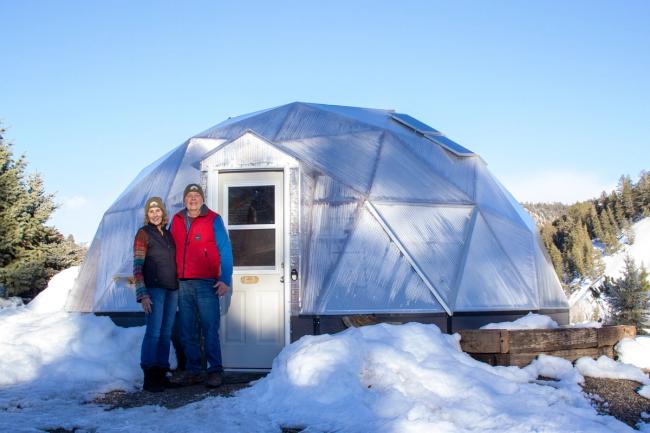
Grow With Confidence, No Matter What the Forecast Brings
A greenhouse should do more than extend your season. It should help protect the time, care, and hope you put into your garden. From hail and heavy snow to high winds, extreme temperatures, and wildlife pressure, the Growing Dome is a weather-resistant greenhouse kit designed to give your plants a stronger place to grow through the harsh climate conditions you cannot control.