Testing the Foundation of Your Garden


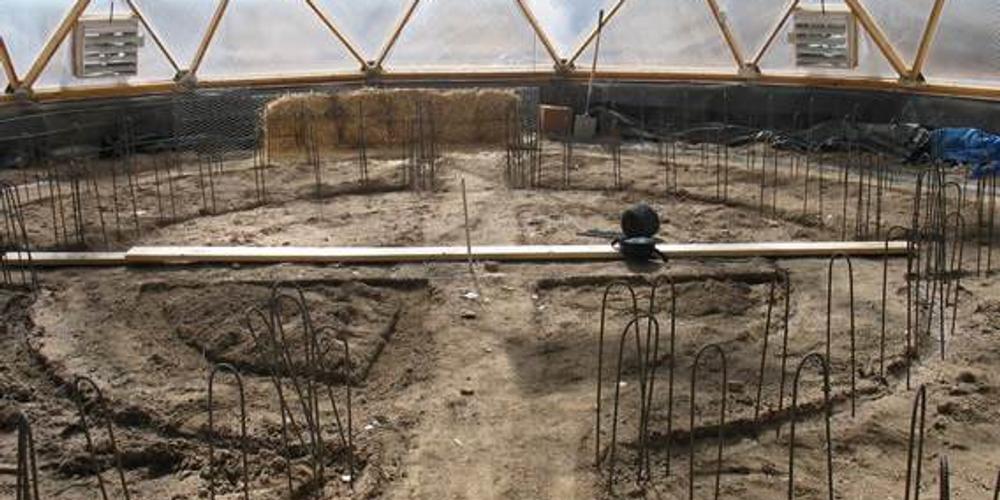
From time to time, we receive questions about the soil in the gardening beds of the Growing Dome. The question of soil, like many things in gardening, can be a life-long pursuit or can be a spontaneous leap of faith. Examining the interactions between micro-organisms, fungi, minerals, biomass and more keeps laboratories at the most prestigious universities busy in perpetuity. Their studies reveal much useful information, but humans have been farming for millennia, during most of which advanced measuring instruments have not been available. Successful farmers are mostly impromptu field scientists that test and experiment on the go. The good news is that depending on your style you have a multitude of resources available to optimize your soil’s health. You can submit a soil sample directly to a university laboratory (try your local university extension office) or you can test different amendments to see how they affect your plants. Most people likely appreciate a blend of the two extremes and many may even prefer to try the different soil investigation techniques. Because of this, we’ve put together a short list of various soil testing resources. Some of these testing services give you recommendations for your soil and others leave it up to you to figure out what’s best. Again, it depends on how much time you would like to invest in learning.

Now, on to the links, but beforehand we’d like to add the disclaimer that we haven’t used any of these tests ourselves, yet. The first comes recommended by friends in the gardening world, the second is a good resource for gardeners here in Colorado, and the third is one we’re trying out this season. We’ll let you know what we find out and if you have any to recommend for or against please do share in the comments below.
University of Massachusetts Soil and Plant Testing Laboratory (many testing options and no recommendations): http://www.umass.edu/soiltest/list_of_services.htm
Colorado State University Soil, Water and Plant Testing Laboratory (many testing options and no recommendations, often your local extension office will offer the service of sending your samples to this laboratory): http://www.soiltestinglab.colostate.edu/
GrowOrganic.com (a couple of do-it-yourself options with information booklets): http://www.groworganic.com/fertilizers/soil-test.html

Seasonal Growing Tips & Greenhouse Advice
Monthly stories from our greenhouses, Growing Dome spotlights, and other gardening content


Share This

This byline marks posts written collectively by Growing Spaces staff where no single contributor is the primary author. Growing Spaces has designed and built geodesic Growing Dome greenhouses from Pagosa Springs, Colorado since 1989, with more than 2,000 installations across 50 states and 14 countries. Posts under this byline draw on shared expertise from the team: gardeners working the production trial domes, design and engineering staff, installation crews working on customer sites, and customer experience staff who walk owners through configuration and long-term operation. When a post belongs under one person's name, it carries that person's byline instead.
View full bioDownloads
Featured Categories
Seasonal Growing Tips & Greenhouse Advice
Monthly stories from our greenhouses, Growing Dome spotlights, and other gardening content
Featured Stories


How to Test and Amend Your Garden Soil


Hydrophobic Soil and How to Fix It
Featured Products


Sign up for The Happy Grower Newsletter
Once a month: stories from our gardens, Growing Dome spotlights, and what's in season in Pagosa Springs.